
Brief given on the 08/03/2021, finished on the 12/04/21. The presentation of this brief was given four days after finishing the last one, and since I felt i had done a very good job in the last project I was worried that I wouldn’t have enough energy to put the required effort in this one. But when they told us what this was about, ideas started flying and my energy was completely restored.
We had to curate an exhibition in virtual reality. Choose a curatorial narrative, select 10 artworks, exhibit them in Mozilla Hubs and promote the show.
Deliverables:
- Title, subtitle and curatorial text (100 words)
- Link to the Virtual Reality Exhibition in Mozilla Hubs
- Walk through video 1 –2 min
- Piece of promotional material to advertise the exhibition.
The deliverables and relevant blog posts will be submitted in a PDF presentation of maximum 10 slides.
At first I was saddened that the exhibition had to be virtual and not in person, people tend to value and attend less virtual events than real ones, so I had an idea:
I had been, for the last month (roughly) putting posters of my work around kingston (explained in blog post https://namenotfound0.wordpress.com/2021/03/22/poster-art/) and I thought about getting an alleyway, exhibiting the works as posters and showing the entrance and the titles with stencils. Then translating this space somehow into a vr one; so that people could visit the real one if they wished, which of course would be temporary (I was aiming to maintain it two weeks or so) and also fulfill the brief and create a realistic visual space that would, of course, be permanent.
IDEATION
Topic-wise, I started exploring the different themes of History and Context (H&C), such as ‘true/truth’, ‘magic’, ‘virtues & vices’ or ‘madness & the mundane’. I was honestly drawn to all of them, but especially to the ones of a more introspective quality, such as magic, religions, darkness or madness. I also had to take into account the location of the exhibition –an alleyway–, of course talking about ‘games & play’ would have a different impact than talking about the supernatural in such place.
Since I also wanted to be able to showcase a range of different artists i narrowed it down to ‘madness & the mundane’ and ‘ darkness & death’. Both of them are related to the location and allow me a lot of freedom. I decided to go for darkness & death, but I soon saw that an exhibition full of grim reapers and corpses wouldn’t say anything new (not that my intention is to be absolutely groundbreaking but it might be a bit too cliché). Then I remembered this piece:
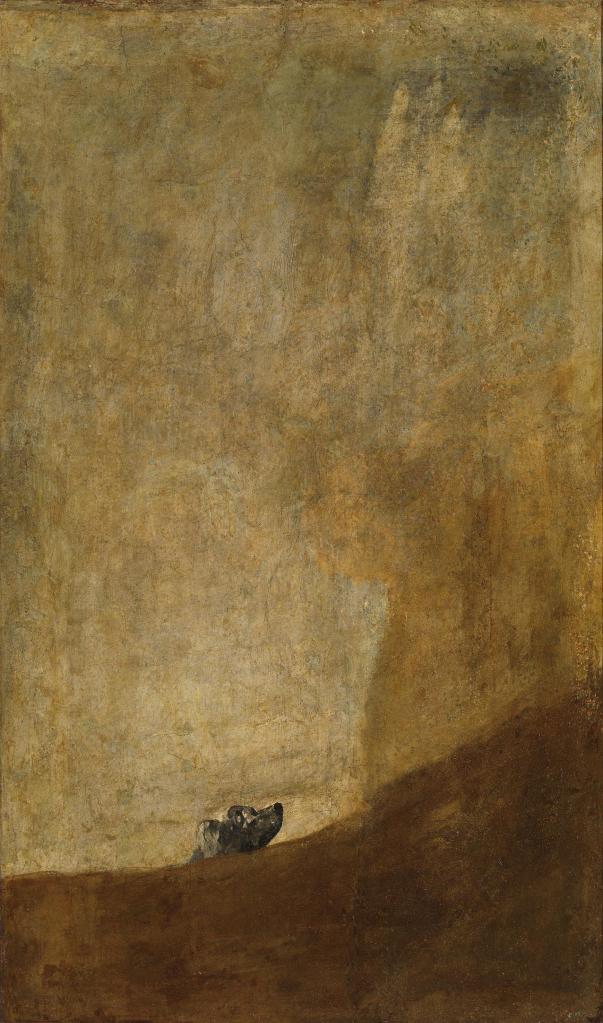
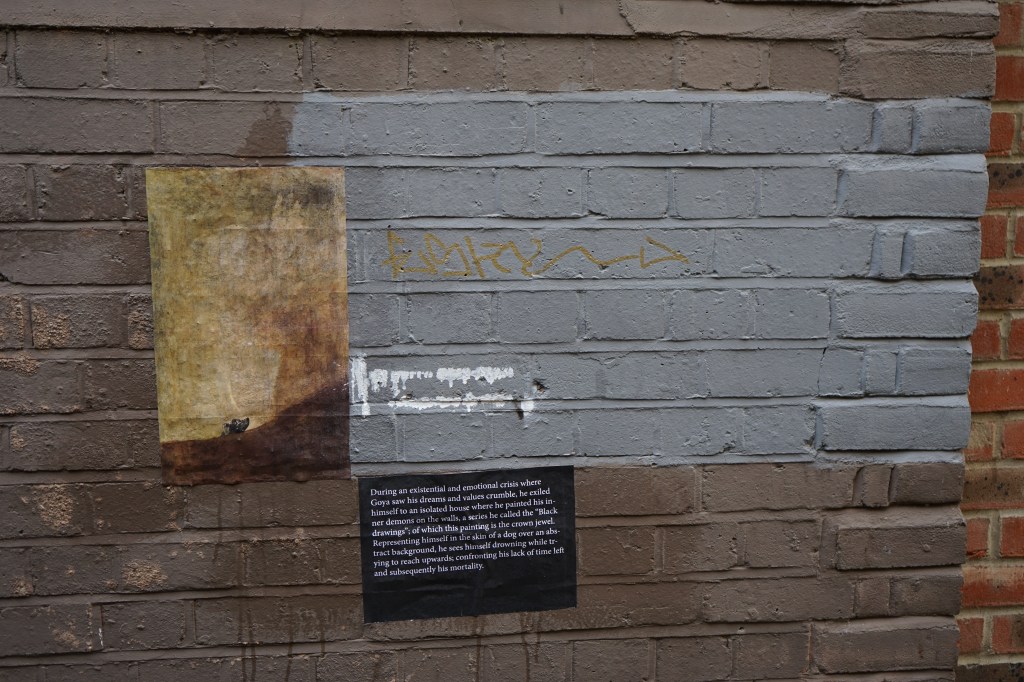
This has always been my favourite Goya painting, the head piece of his “Black Paintings” series, it represents Goya embodied as an old and frail dog, gazing upwards to his own mortality and depending on the interpretation: drowning in sand or reaching upwards into the unknown. It’s very clearly a painting about death but it’s not sad, it’s not macabre; it treads the very fine line between life and mortality. The Sideline of Darkness and Death.
So I decided to do my exhibition about that: On the Sidelines of Darkness & Death – The Spaces in Between. I decided to explore those liminal spaces surrounding both concepts, what is around them but not exactly there.
I started scouting around kingston looking for an alleyway I could use. It had to have the entrance and exit perfectly visible and accesible for passerby, also I don’t want anyone breaking any laws by attending my exhibition. It also has to be fairly well illuminated on its own and not too long to transit comfortably. Since I would be putting poster on the walls I would have prefered the walls to be smooth and without bricks or gotelé, but as long as the bricklaying is flat and evenly spaced it shouldn’t be that big of a problem.
I decided to go for the King’s Passage in Kingston centre, which connects the gazebos with the main square. It’s fairly long but has a lot of rythm I could take advantage of and good places to put the posters up, the only disadvantage is that it’s fairly long; about a minute or so to transit.
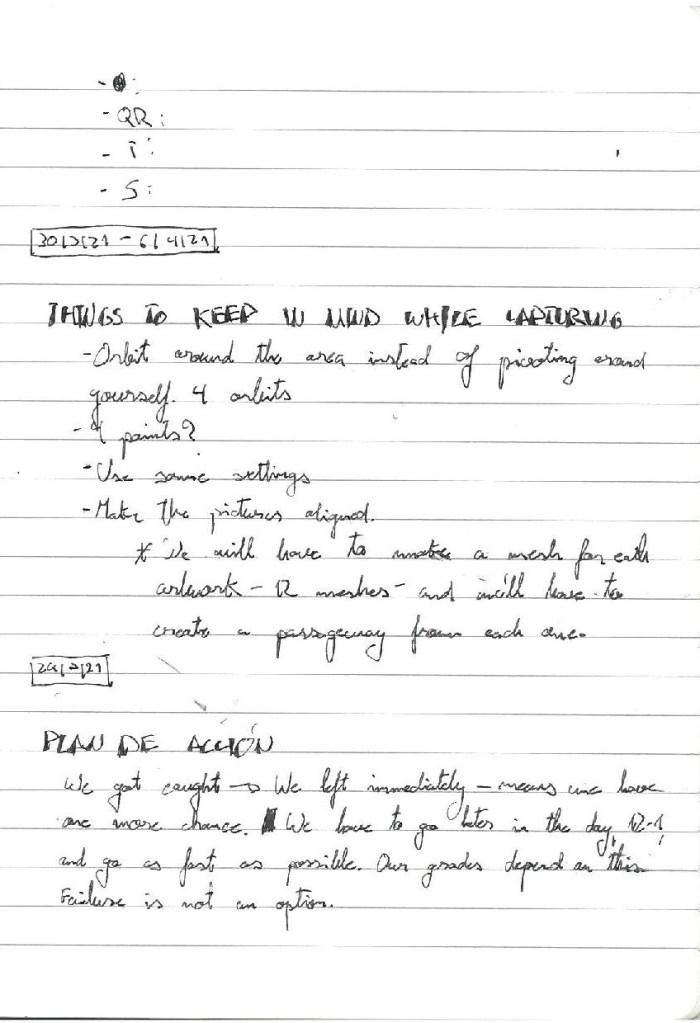
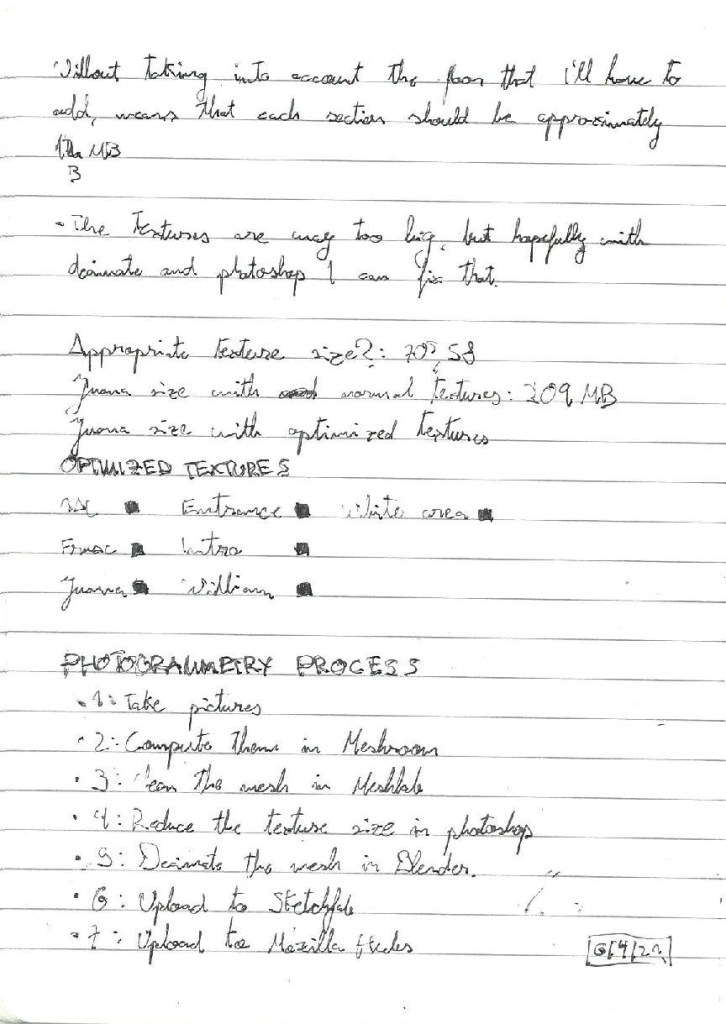
SKETCHES AND NOTES
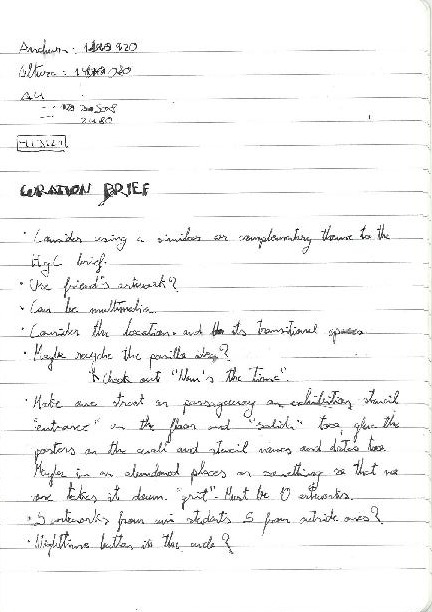
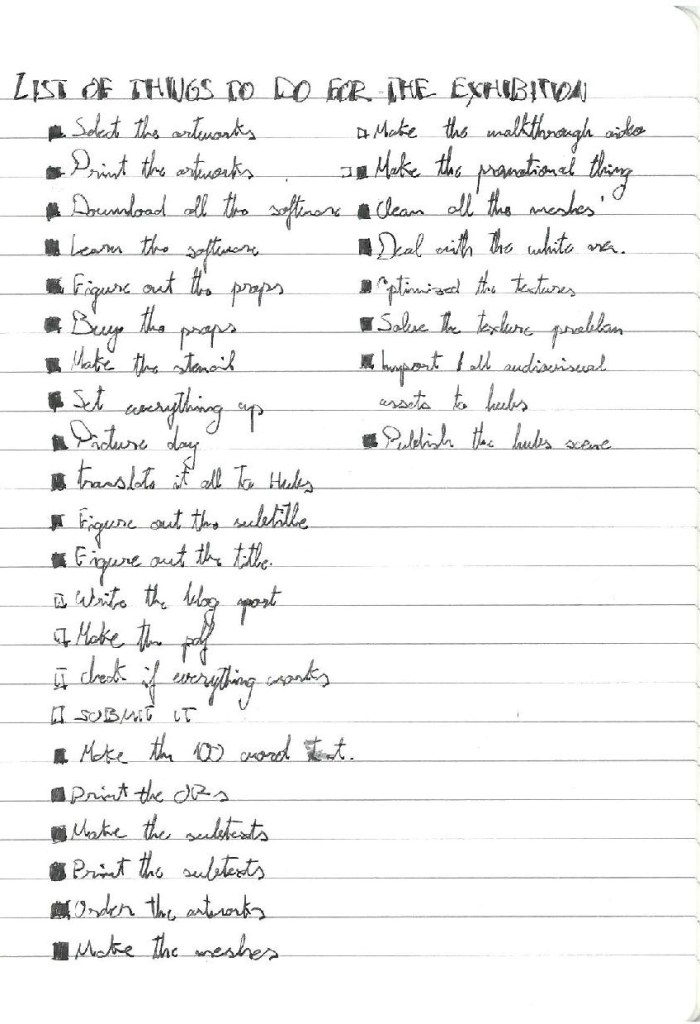
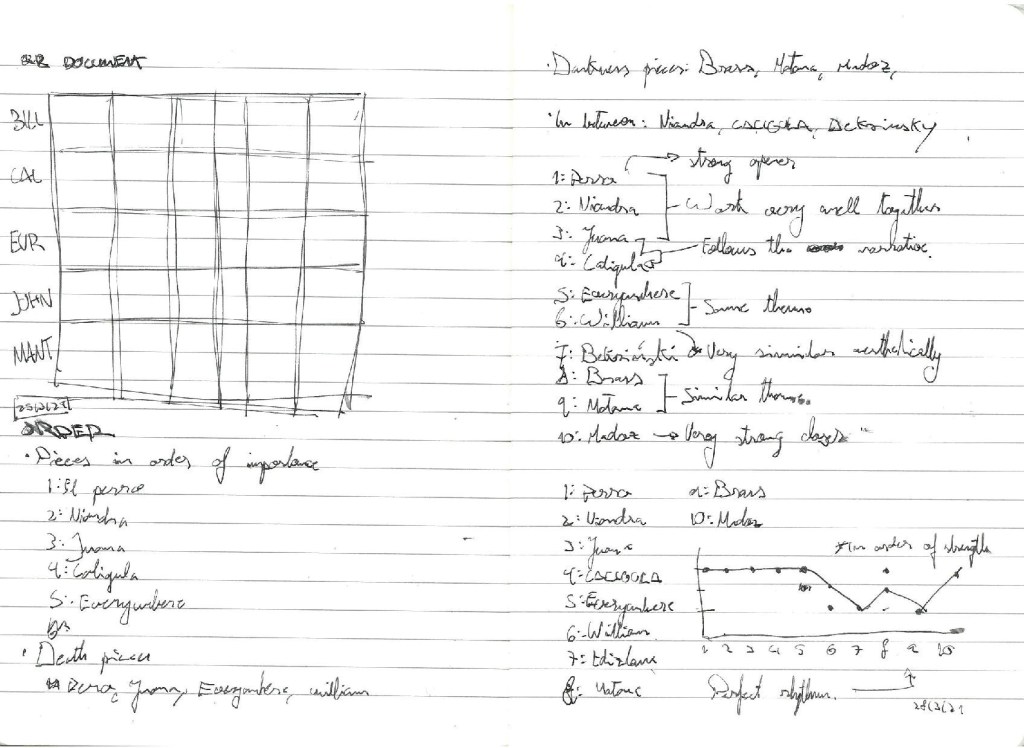
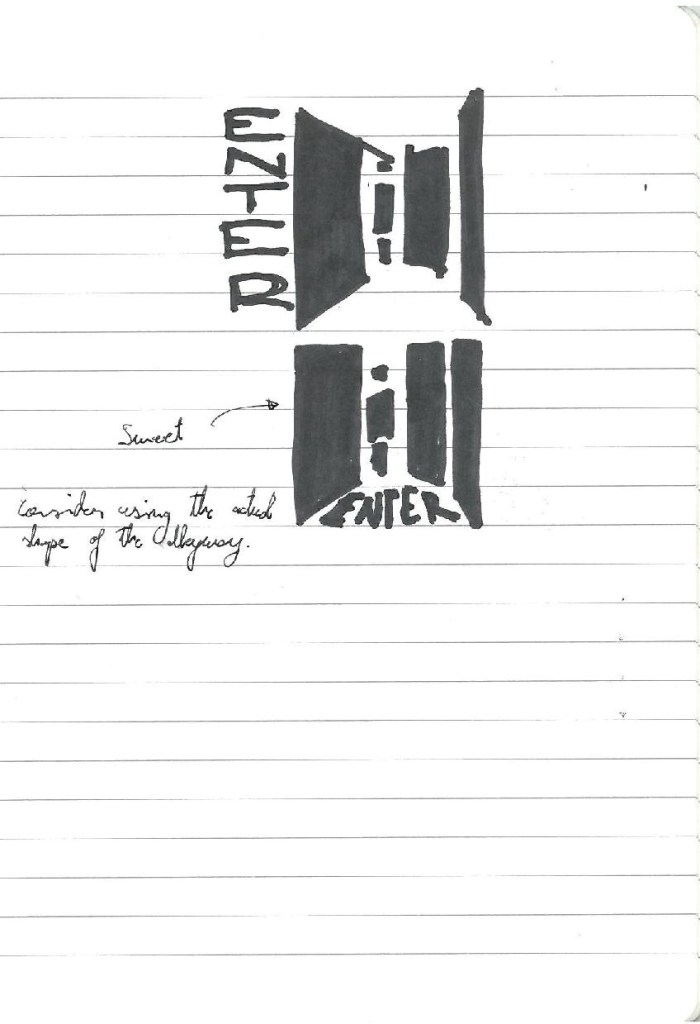
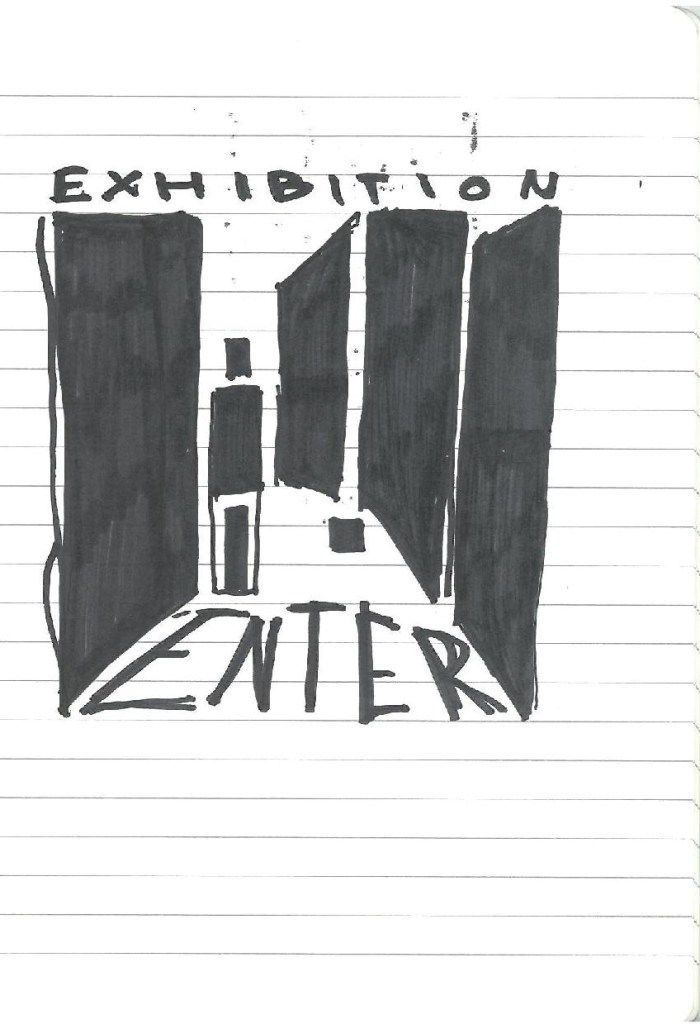
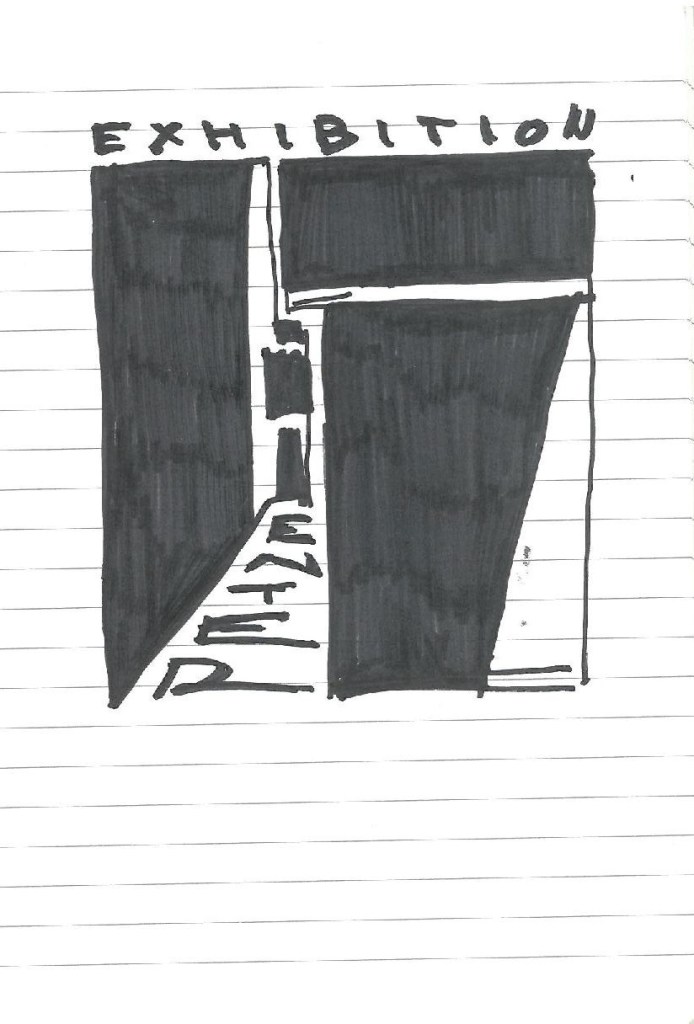
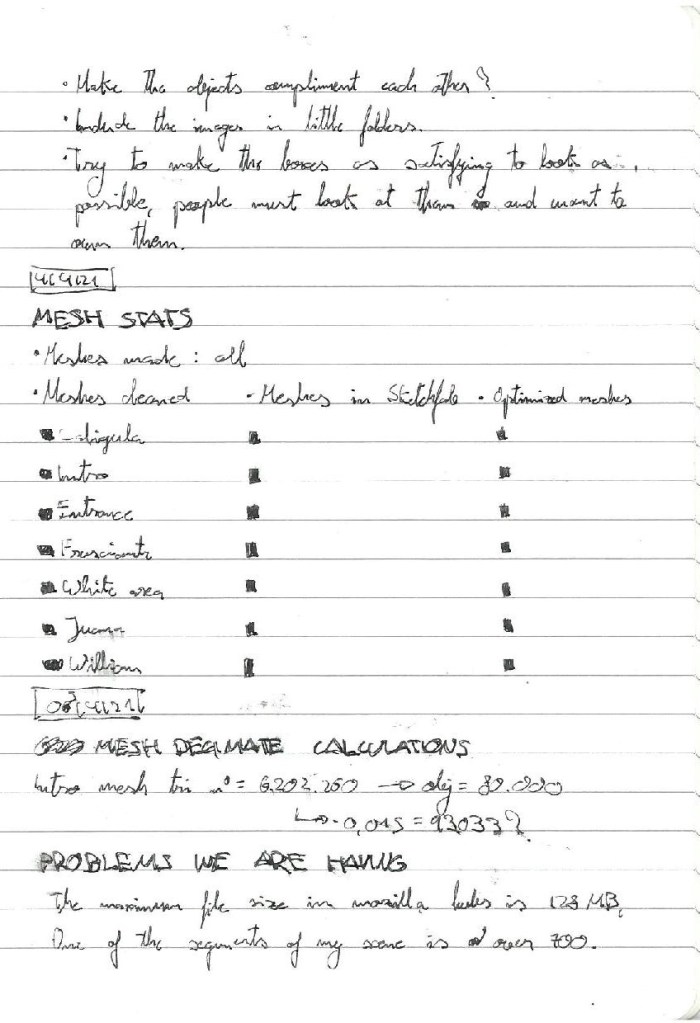
SELECTED ARTWORKS
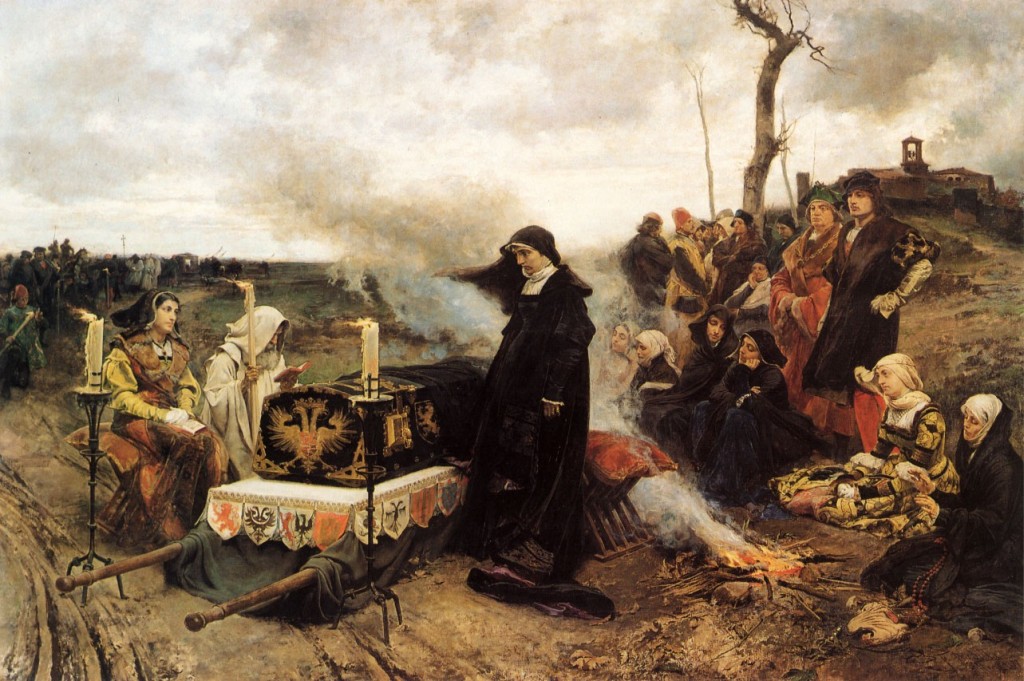
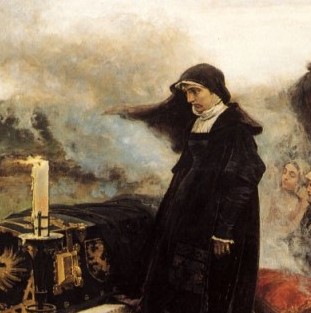
The artworks must fall into two categories: those related to darkness and those related to death. Since I am talking about the ‘sidelines’ of darkness & death I can’t show any direct allusion to both concepts, but it must be deeply related and extremely close to them. For example: in the painting “Doña Juana la Loca” I didn’t show the casket of her dead husband, instead I focused the attention of the viewer on what I found interesting: The reaction of her face towards his death.
I considered various artworks:
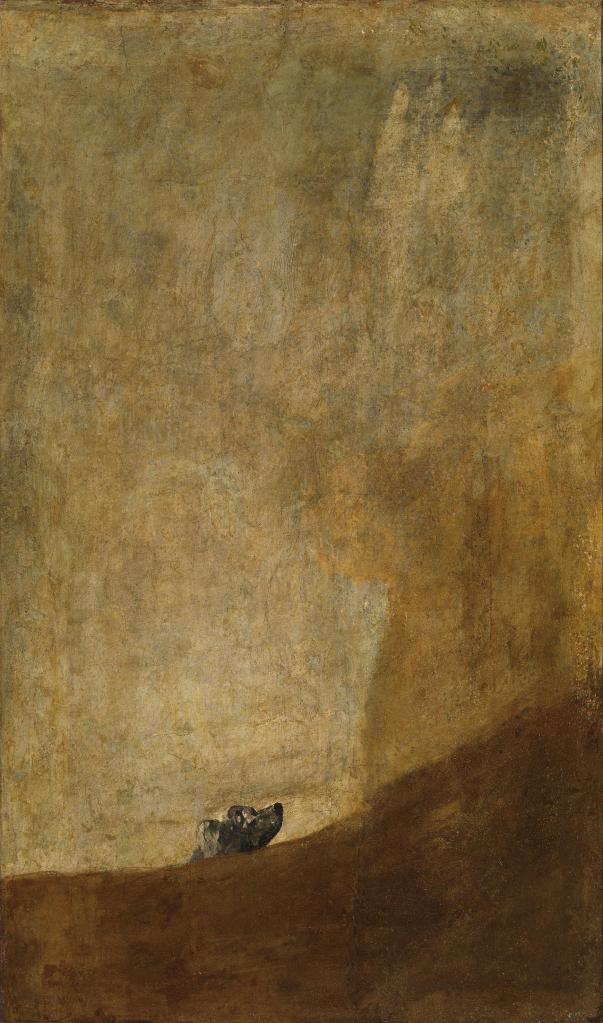
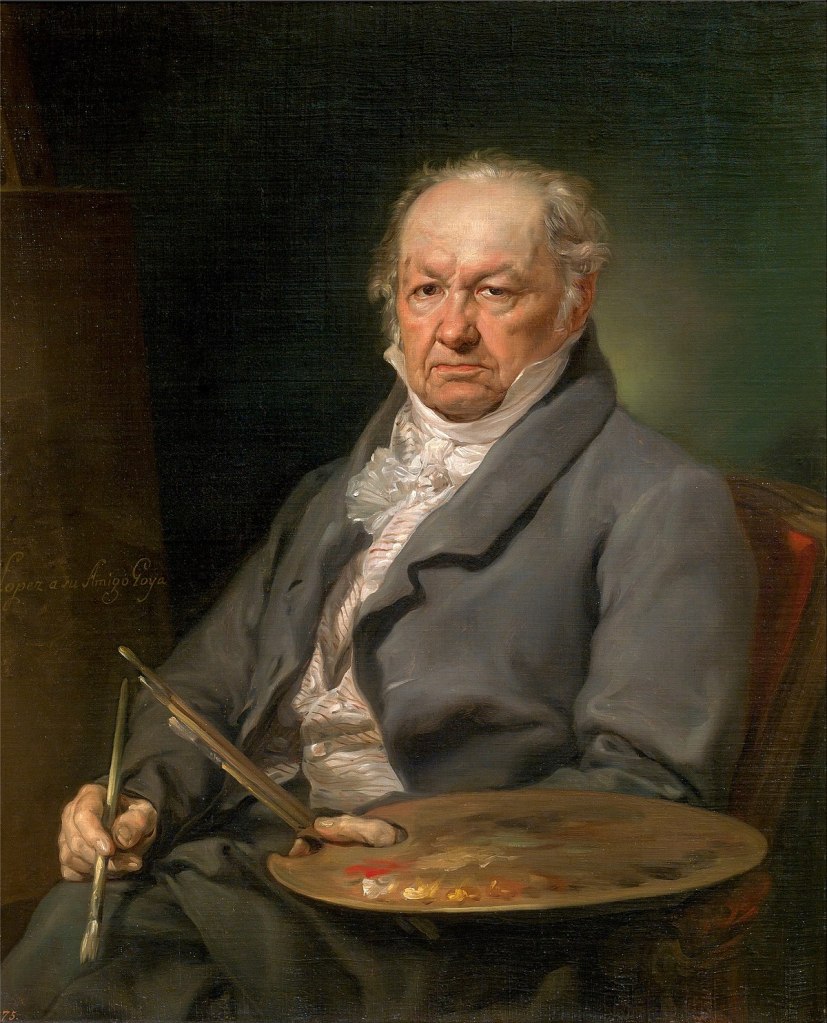
El Perro (1819-1823) – Francisco de Goya (1746-1828): During an existential and emotional crisis where Goya saw his dreams and values crumble, he exiled himself to an isolated house where he painted his inner demons on the walls, a series he called the “Black drawings”; of which this painting is the crown jewel. Representing himself in the skin of a dog over an abstract background, he sees himself drowning while trying to reach upwards; confronting his lack of time left and subsequently his mortality.
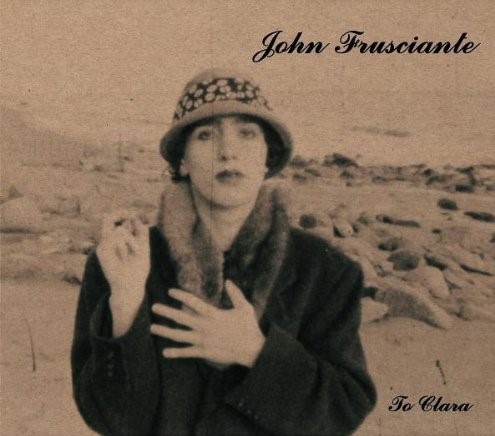
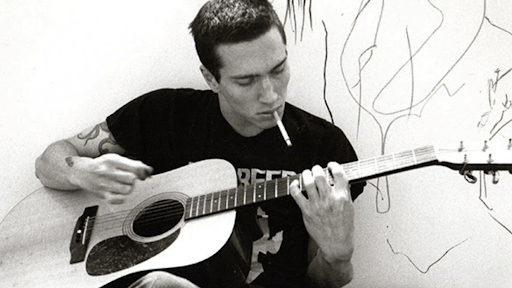
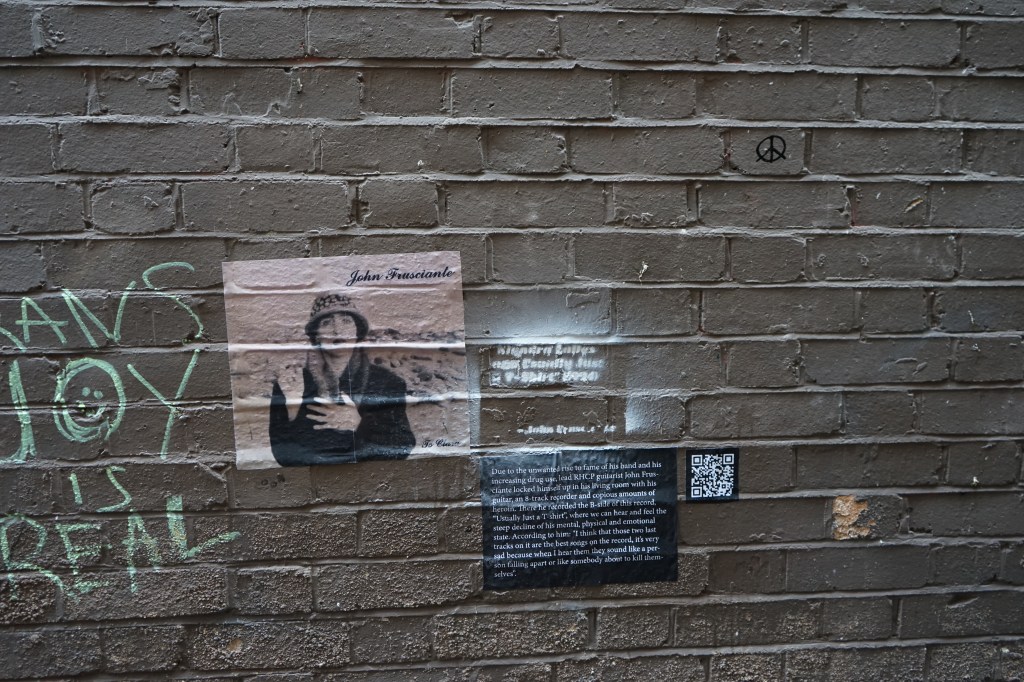
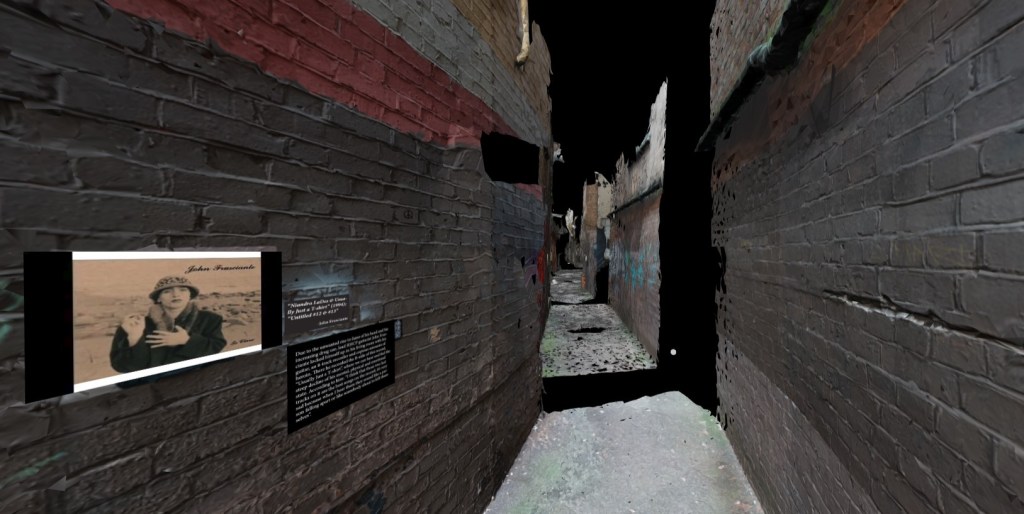
“Niandra LaDes and Usually Just a T-Shirt” (1994): “Untitled #12 & #13” – John Frusciante (1970 – present): Due to the unwanted rise to fame of his band and his increasing drug use, lead RHCP guitarist John Frusciante locked himself up in his living room with his guitar, an 8-track recorder and copious amounts of heroin. There he recorded the B-side of this record, “Usually Just a T-shirt”, where we can hear and feel the steep decline of his mental and emotional state. According to him: “I think that those two last tracks on it are the best songs on the record, it’s very sad because when I hear them they sound like a person falling apart or like somebody about to kill themselves”.
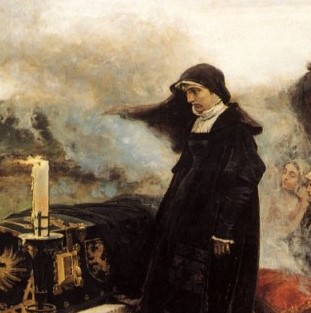
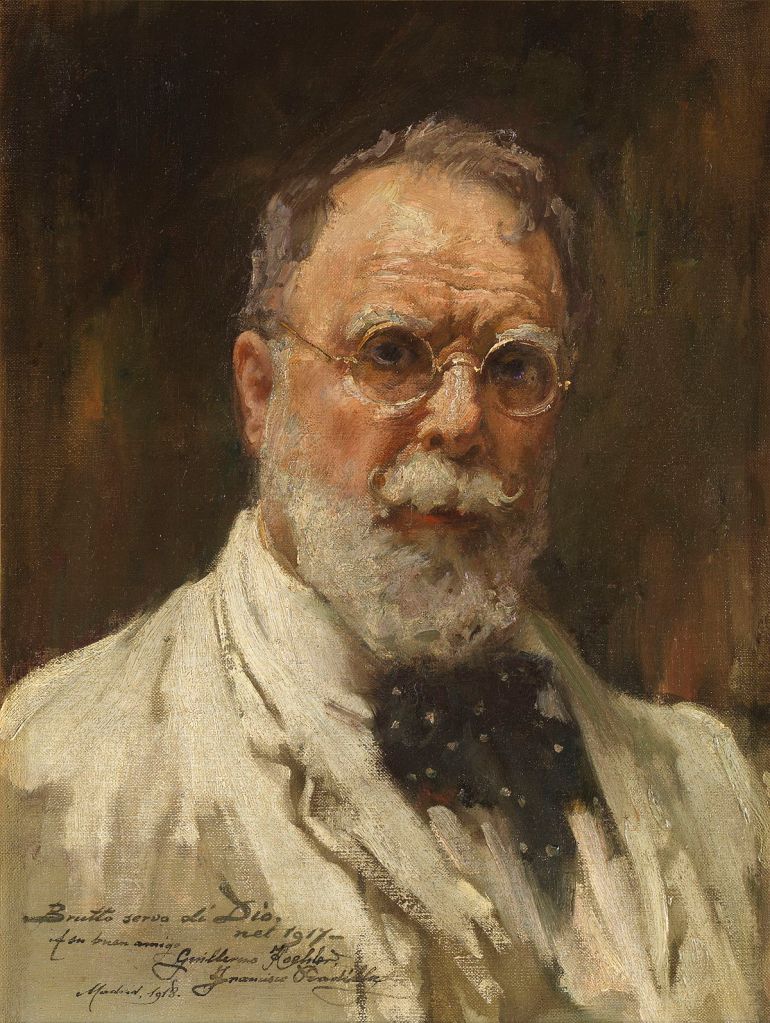
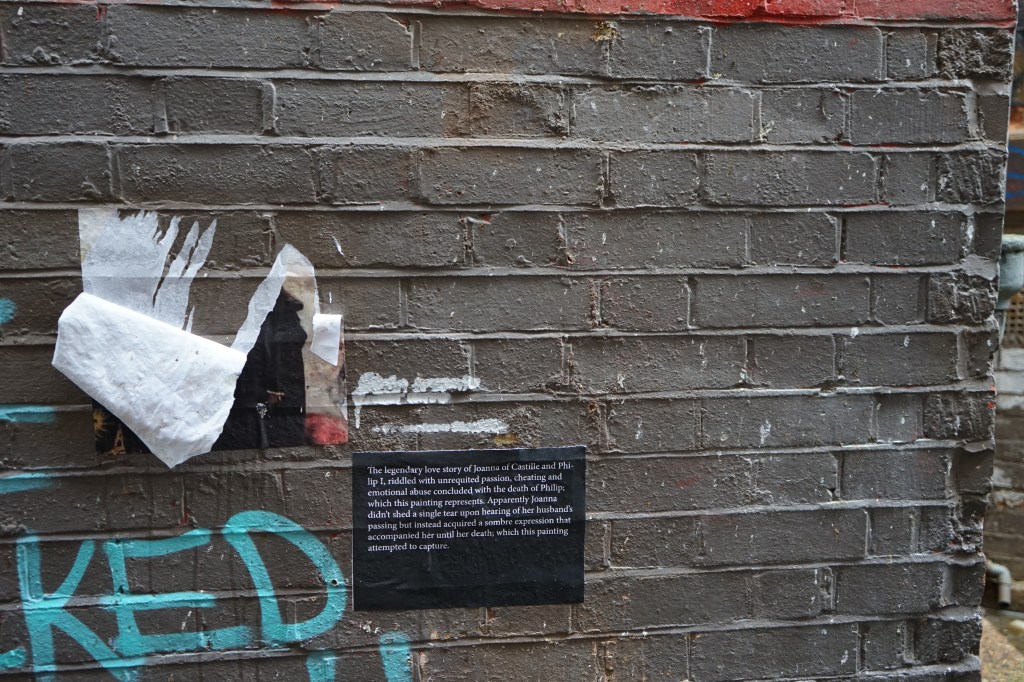
“Doña Juana la Loca” (1877) – Francisco Pradilla (1848-1921): The legendary love story of Joanna of Castille and Philip I, riddled with unrequited passion, cheating and emotional abuse concluded with the death of Philip; which this painting represents. Apparently Joanna didn’t shed a single tear upon hearing of her husband’s passing but instead acquired a sombre expression that accompanied her until her death; which this painting attempted to capture.
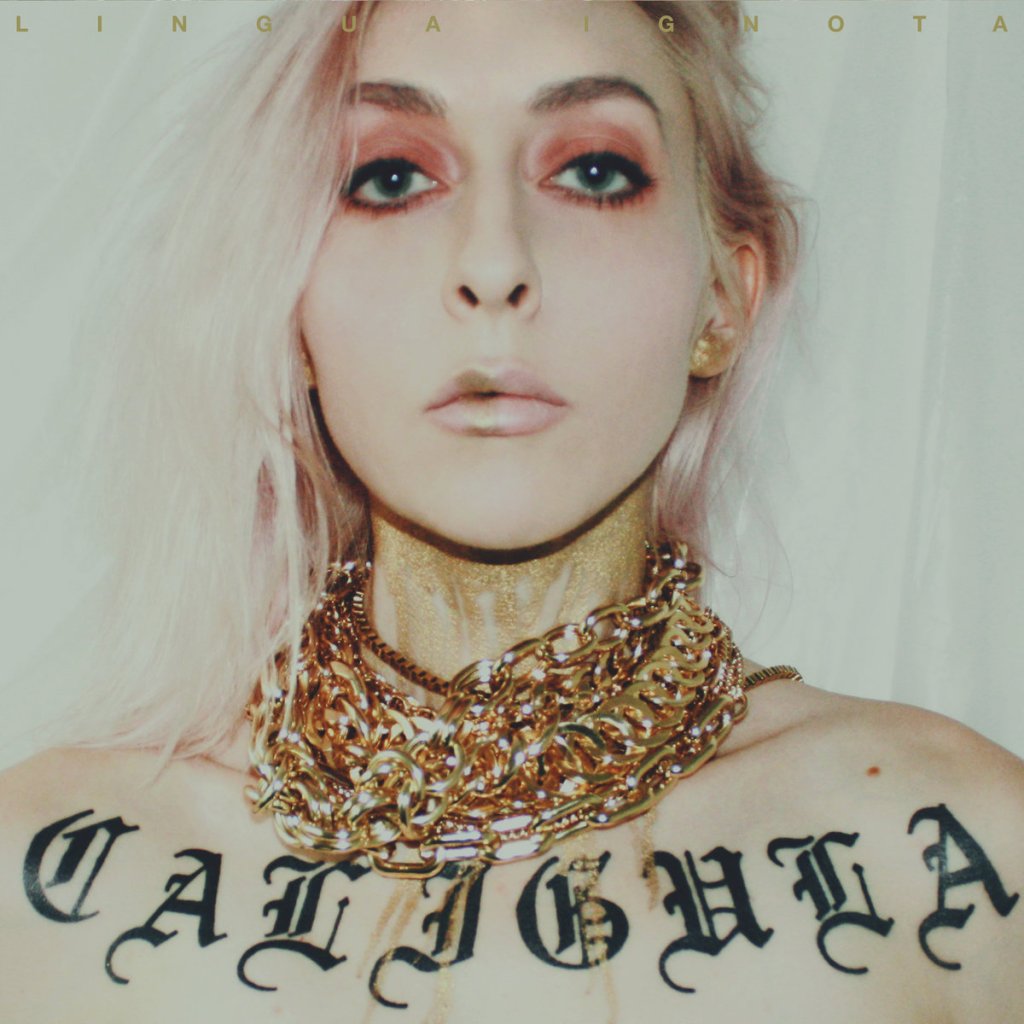
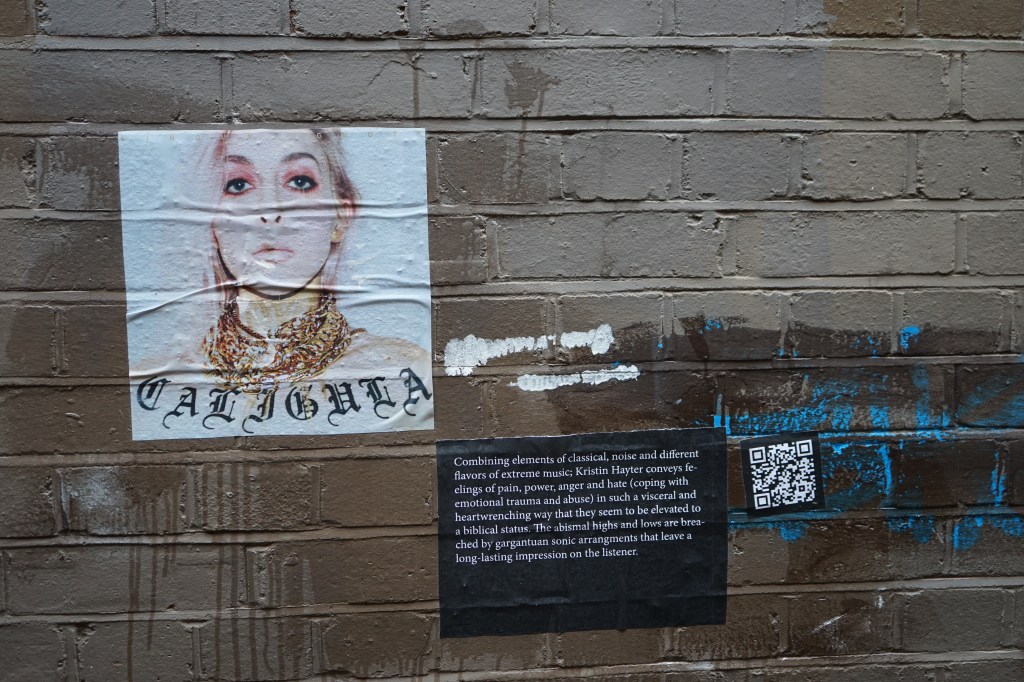
“CALIGULA” (2019) – Lingua Ignota: Combining elements of classical, noise and different flavors of extreme music; Kristin Hayter conveys feelings of pain, power, anger and hate (coping with emotional trauma and abuse) in such a visceral and heartwrenching way that they seem to be elevated to a biblical status. The abismal highs and lows are breached by gargantuan sonic arrangments that leave a long-lasting impression on the listener.
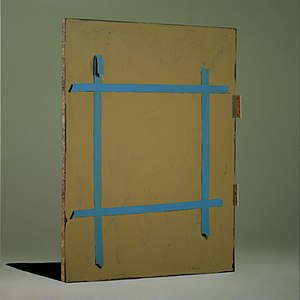
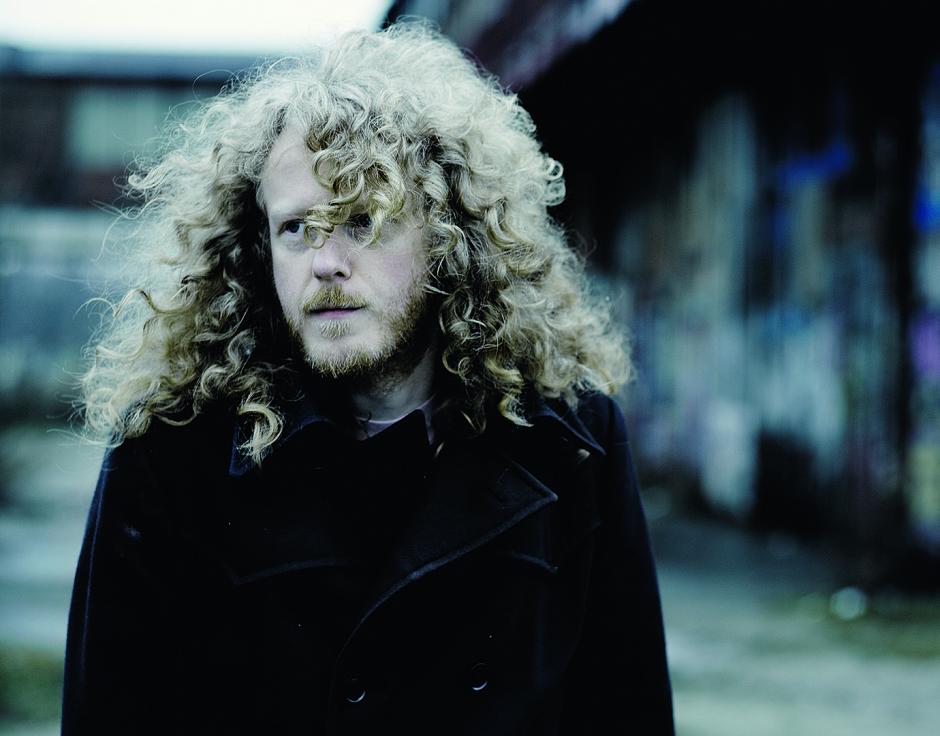
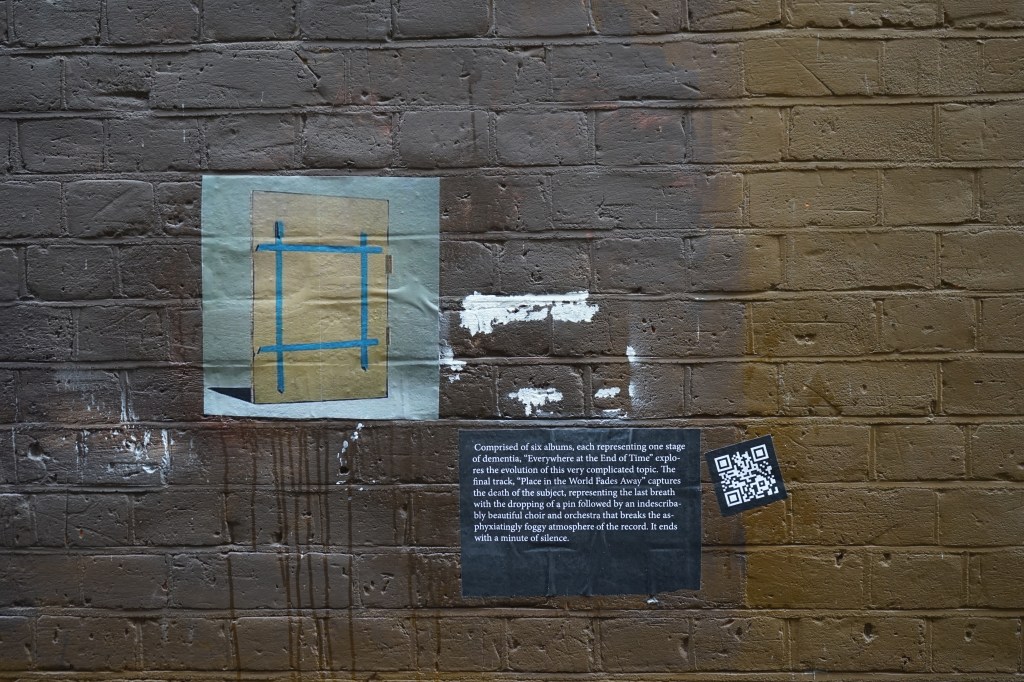
“Everywhere at the End of Time” (2016-2019): “Place in the world fades away” – The Caretaker: Comprised of six albums, each representing one stage of dementia, Everywhere at the End of Time explores the evolution of this very complicated topic. The final track, “Place in the World Fades Away” captures the death of the subject, representing the last breath with the dropping of a pin followed by an indescribably beautiful choir and orchestra that breaks the asphyxiatingly foggy atmosphere of the record. It ends with a minute of silence.
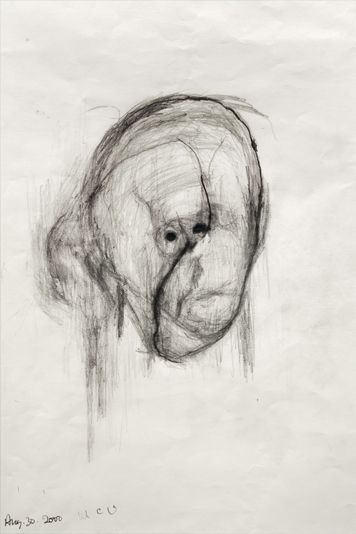
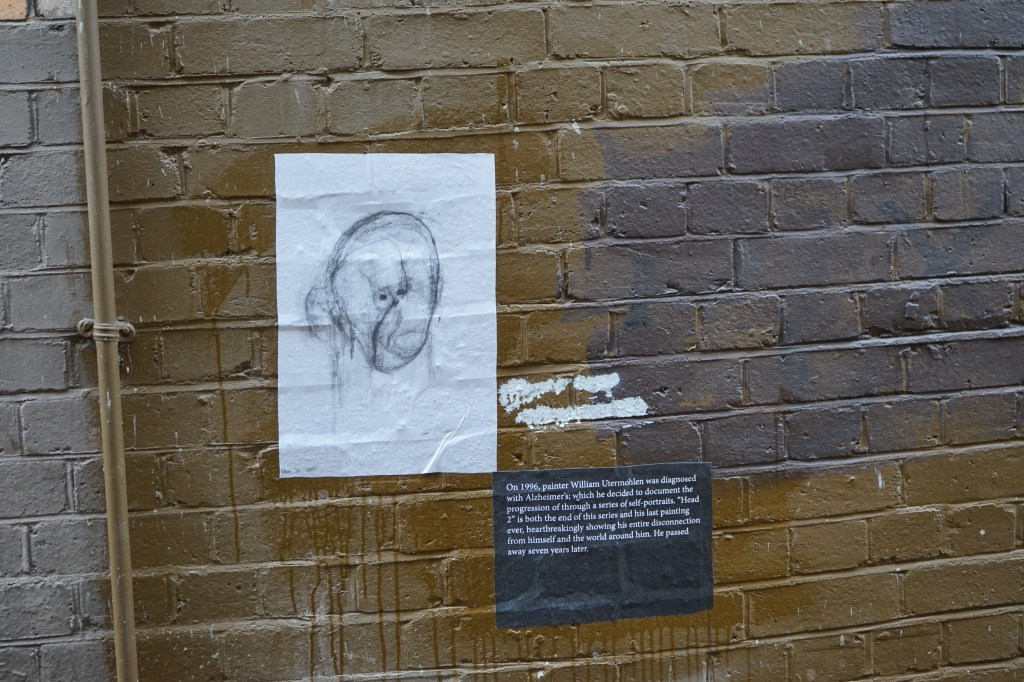
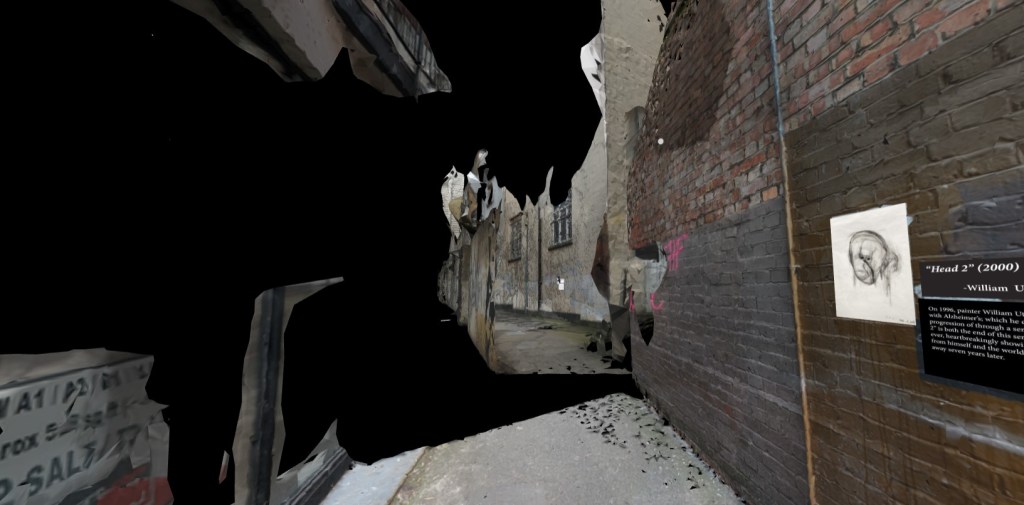
“Head 2” (2000) – William Utermohlen (1933 – 2007): On 1996, painter William Utermohlen was diagnosed with Alzheimer’s; which he decided to document the progression of through a series of self-portraits. Head 2 is both the end of this series and his last painting ever, heartbreakingly showing his entire disconnection from himself and the world around him. He passed away seven years later.
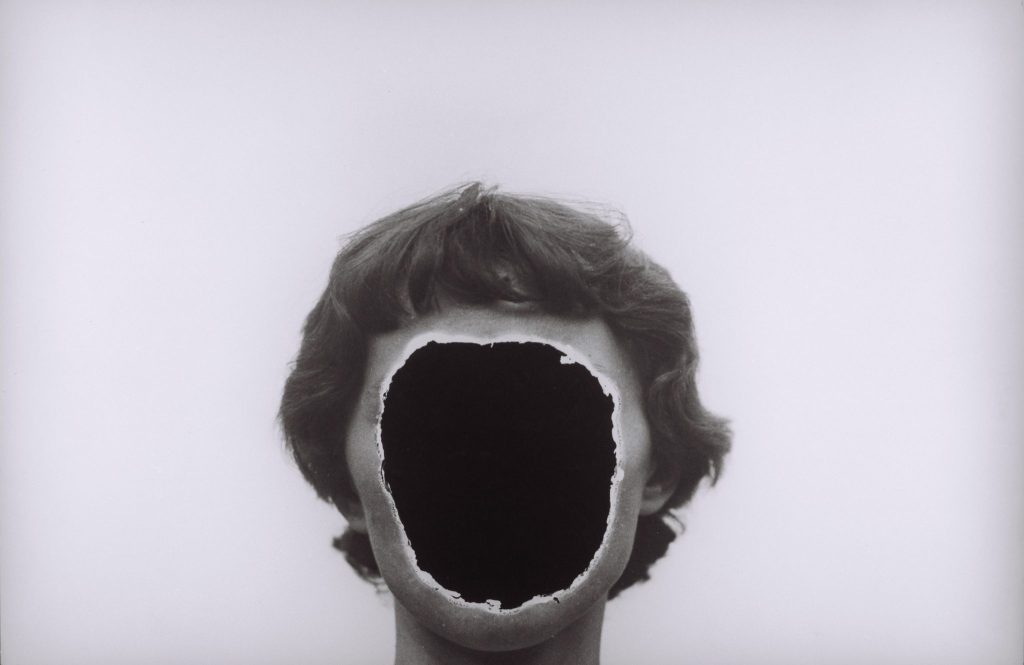
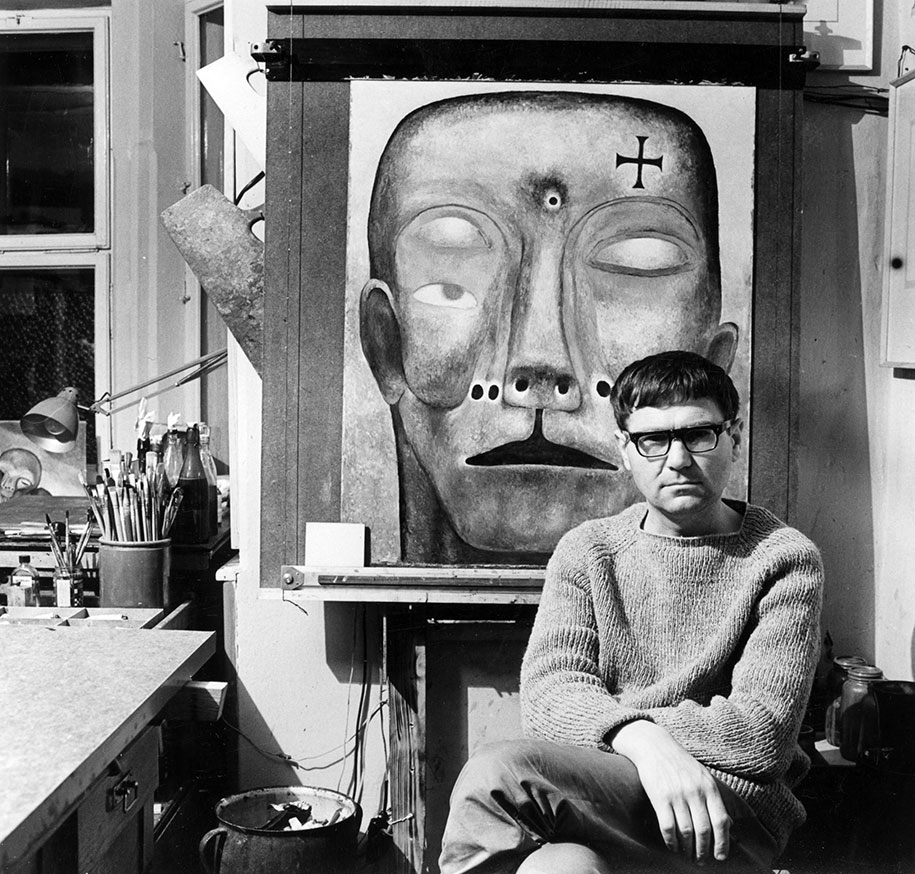
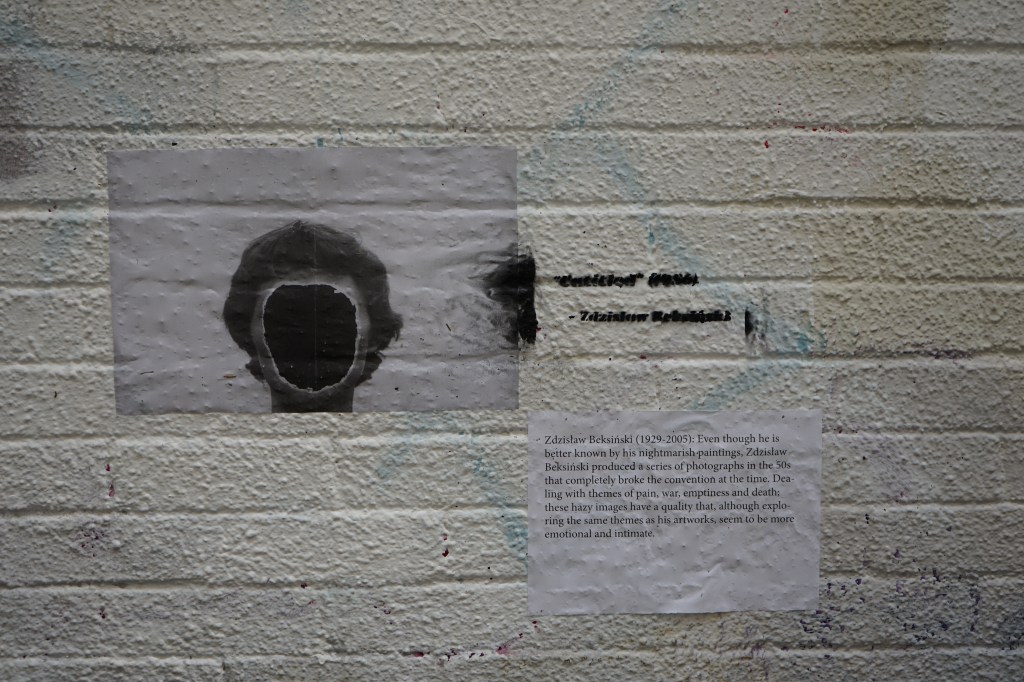
“Untitled” (1956) – Zdzisław Beksiński (1929-2005): Zdzisław Beksiński (1929-2005): Even though he is better known by his nightmarish paintings, Beksiński produced a series of photographs in the 50s that completely broke the convention at the time. Dealing with themes of pain, war, emptiness and death; these hazy images have a quality that, although exploring the same themes as his artworks, seem to be more emotional and intimate.
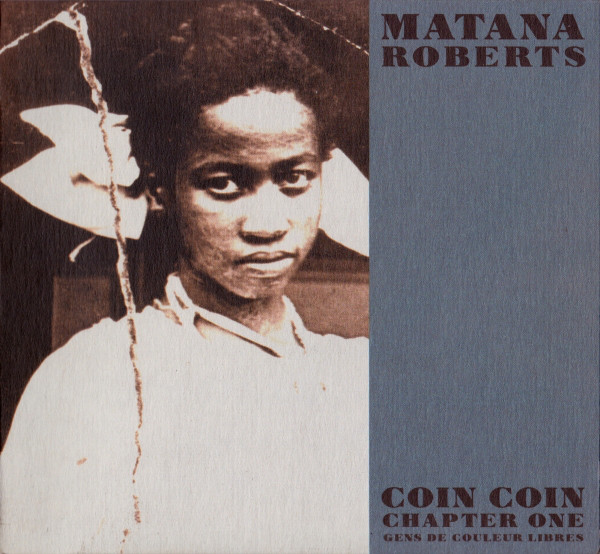
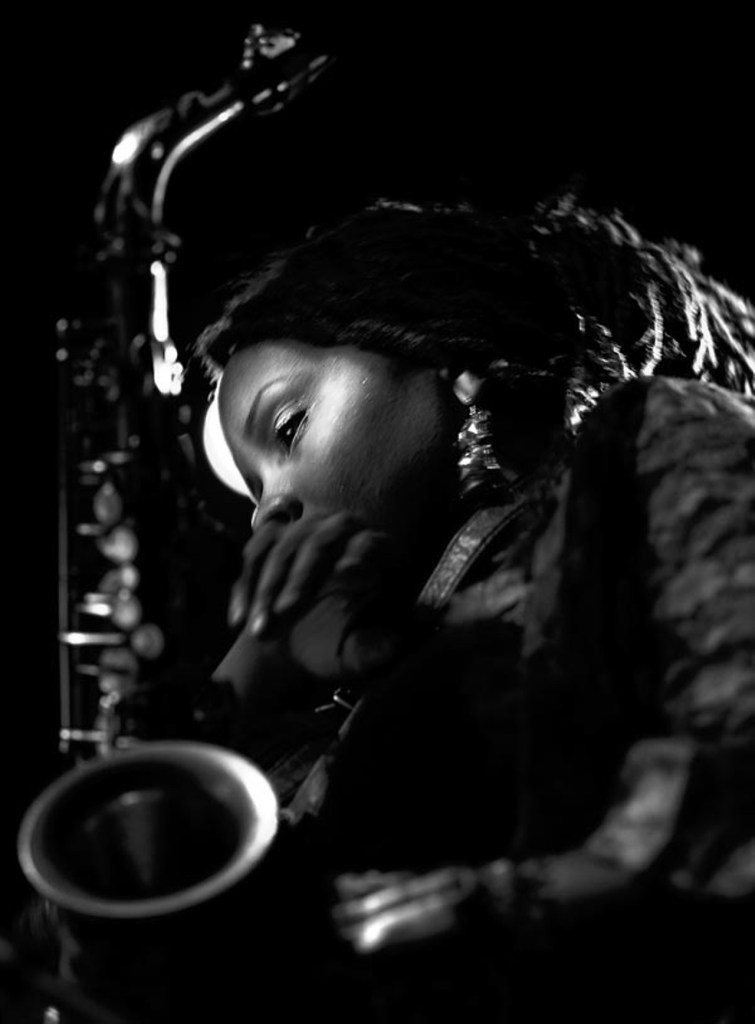
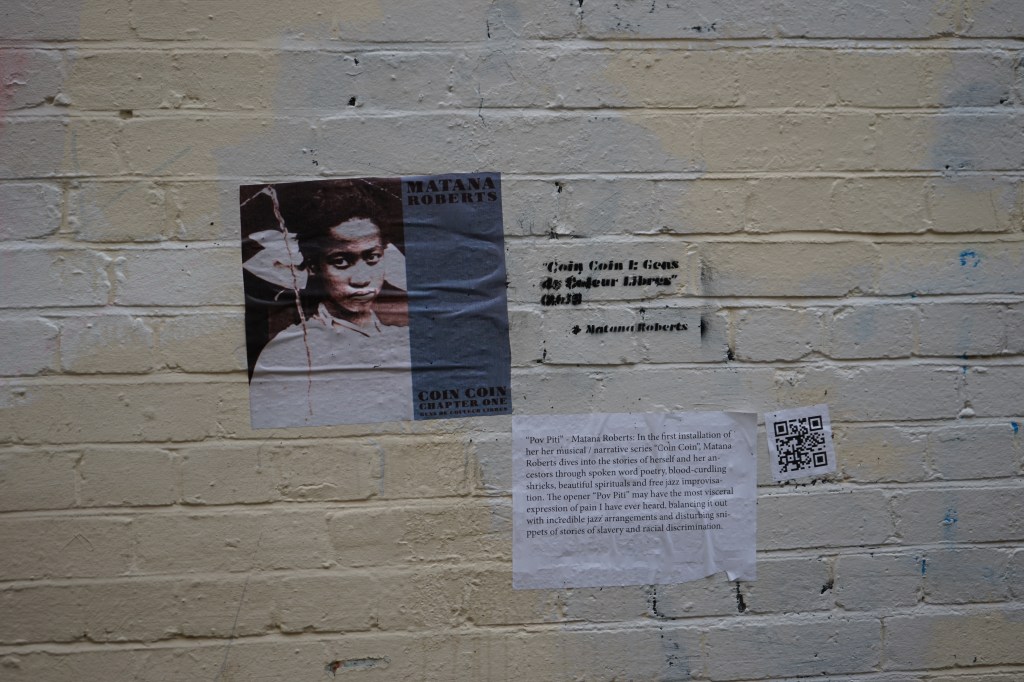
“Coin Coin I: Gens de Coleur Libres” (2011); “Pov Piti” – Matana Roberts: In the first installation of her her musical / narrative series “Coin Coin”, Matana Roberts dives into the stories of herself and her ancestors through spoken word poetry, blood-curdling shrieks, beautiful spirituals and free jazz improvisation. The opener “Pov Piti” may have the most visceral expression of pain I have ever heard, balancing it out with incredible jazz arrangements and disturbing snippets of stories of slavery and racial discrimination.
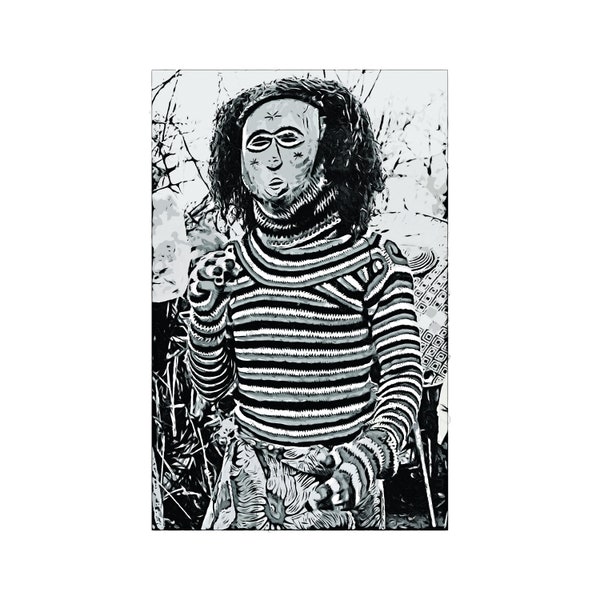
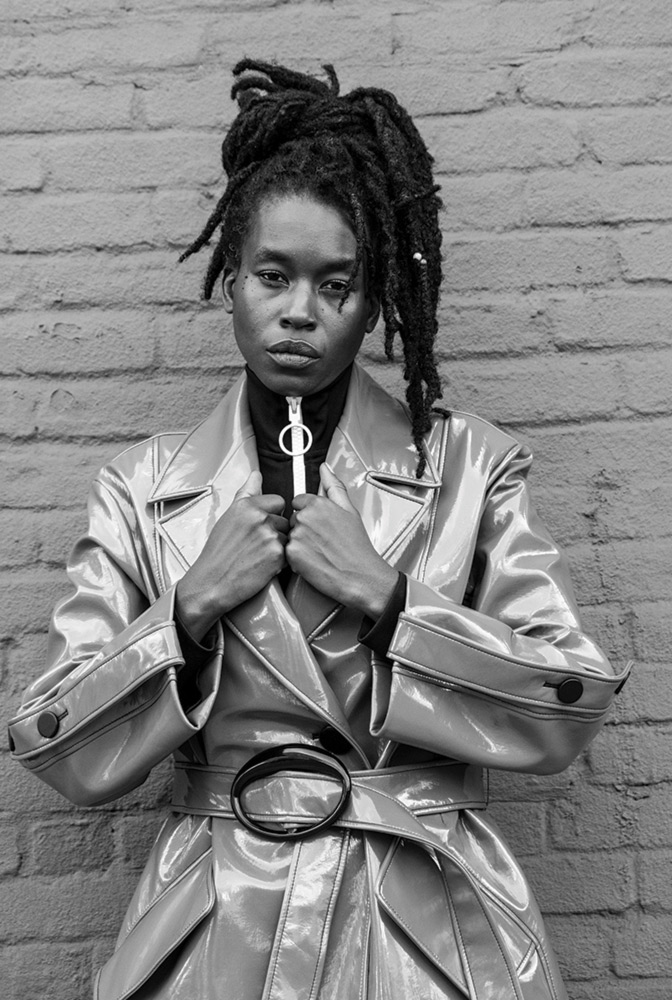
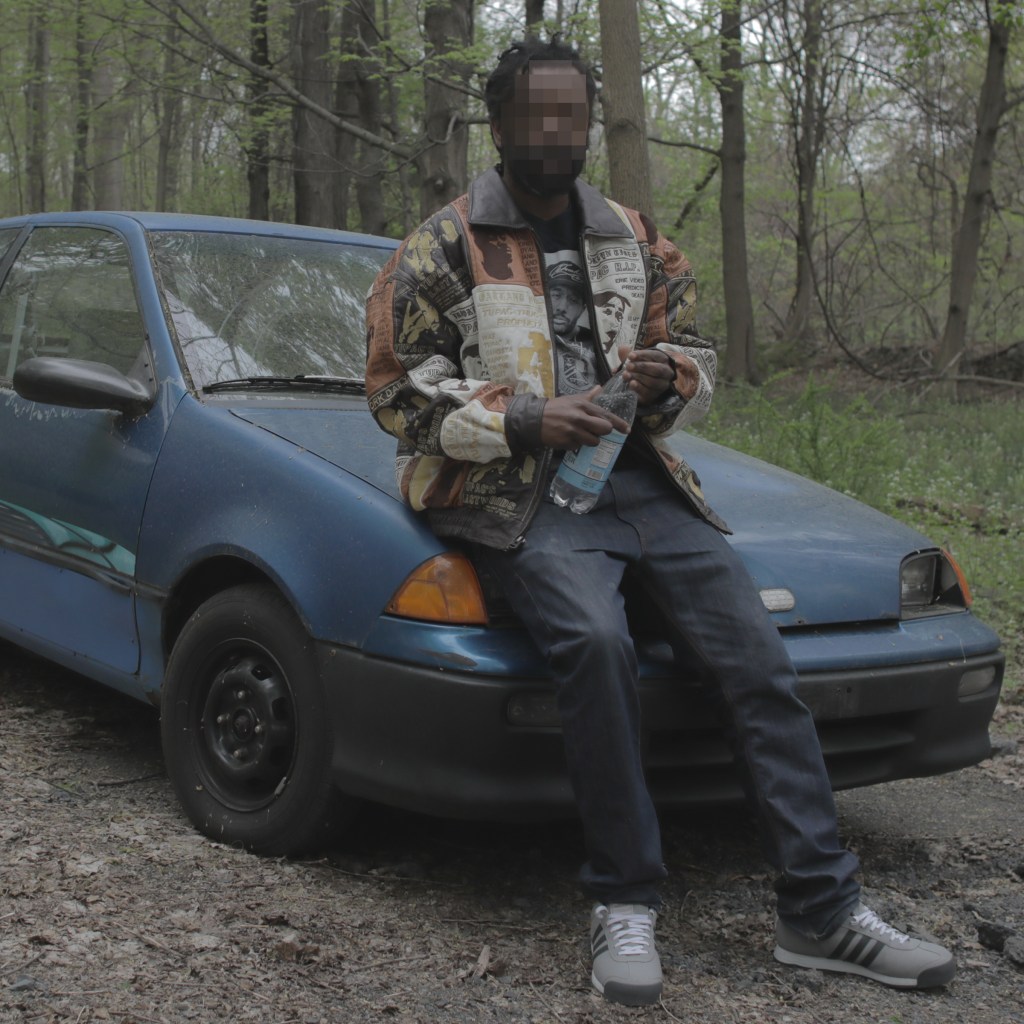
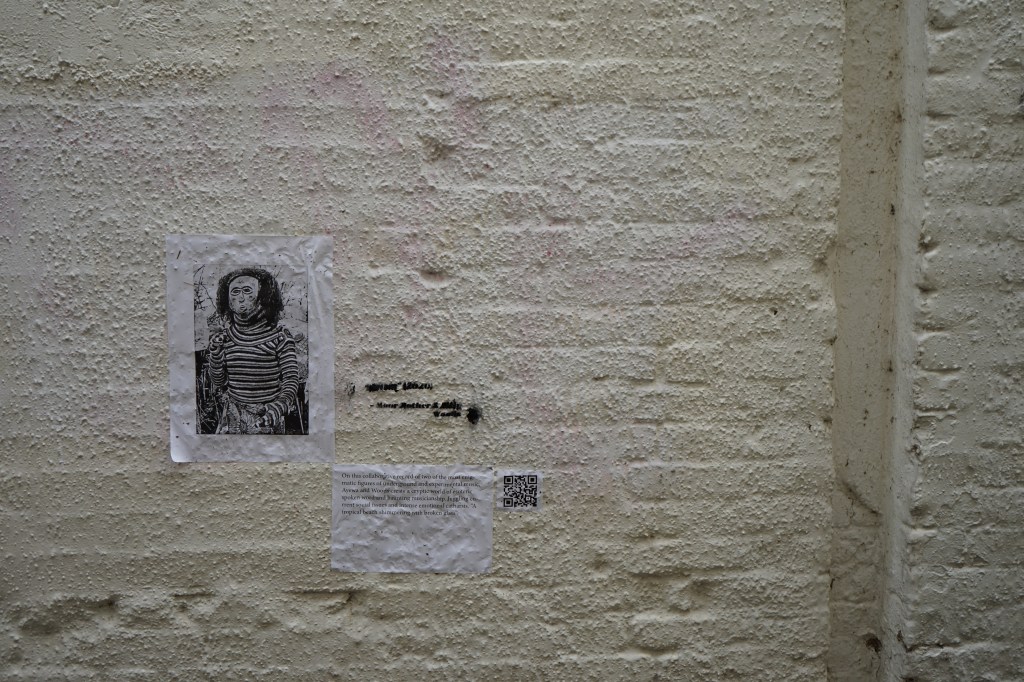
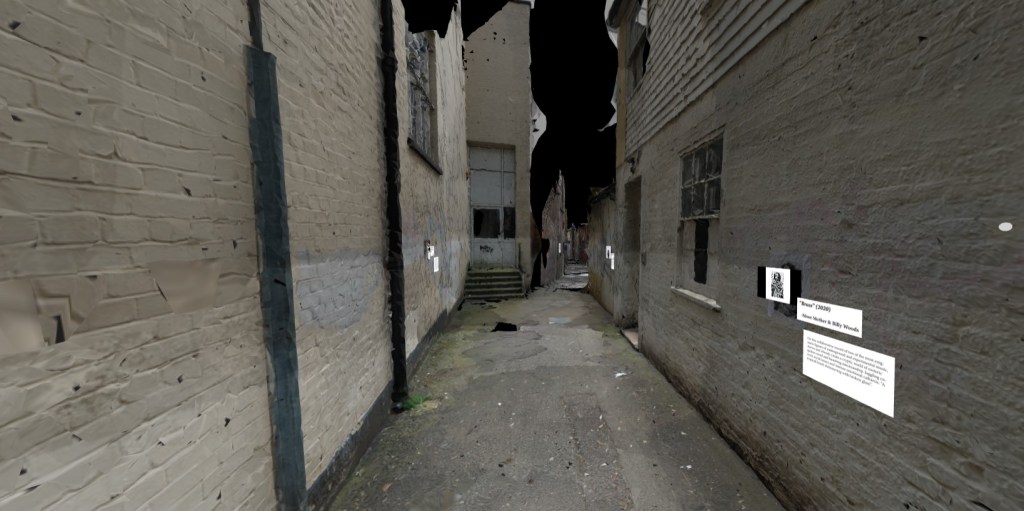
“Brass” (2020) – Moor Mother & Billy Woods: On this collaborative record of two of the most enigmatic figures of underground and experimental music, Ayewa and Woods create a cryptic world of esoteric spoken word and haunting musicianship. Juggling current social issues and intense emotional catharsis. “A tropical beach shimmering with broken glass”.
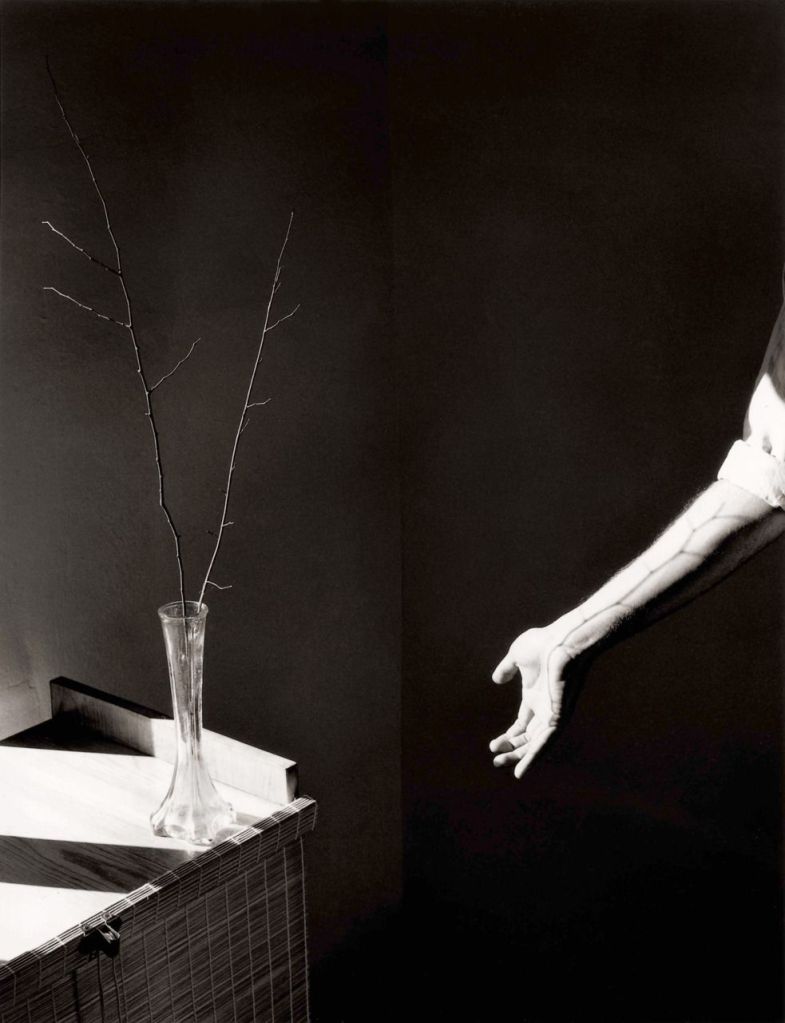
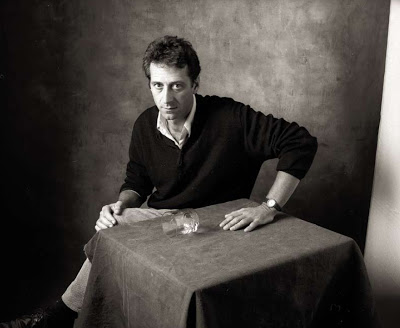
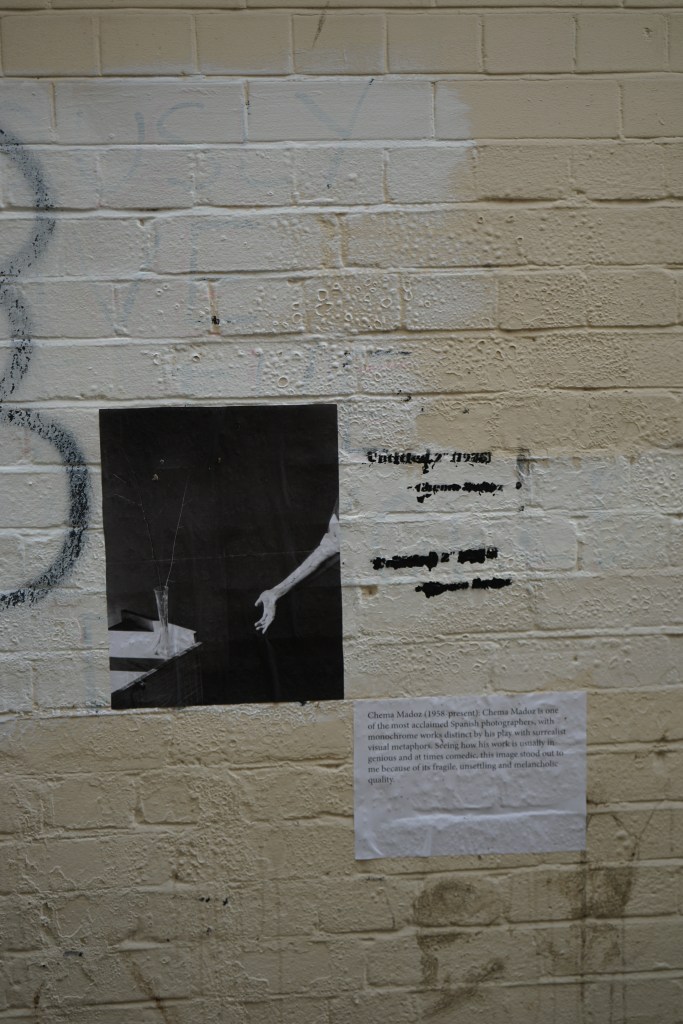
“Untitled 2” (1975) – Chema Madoz (1958-present): Chema Madoz is one of the most acclaimed Spanish photographers, with monochrome works distinct by his play with surrealist visual metaphors. Seeing how his work is usually ingenious and at times comedic, this image stood out to me because of its fragile, unsettling and melancholic quality.
I decided to display the artworks in this order after careful consideration of their aesthetic quality, the themes they represent, the subjective strength and importance that they have to me and the narrative they create. This doesn’t mean that they are ordered from better to worse, it means that I tried my best to create a balance within them so that people won’t lose interest and feel compelled in exploring the artworks further. They are meant to be viewed in opposite orders, since I realized that I can’t make random passerbys go to one specific entrance; both ends of the passage act as an entrance and as an exit.
CURATORIAL TEXT
The moment right before the light goes out, the space between shadows and moonlight shimmers on broken glass. This exhibition attempts to capture the liminal spaces surrounding the concepts of Darkness and Death, leaving the scythe behind and embracing the reflection of its victim in it. A view on how artists throughout history and mediums have dealt with and expressed these subjects; from the confrontation of nearby mortality, to the progressive loss of oneself and everything in between. This exhibition will be left on King’s Passage to decay over time but a permanent version is available in VR. Enjoy.
PREPARATION
I printed all the artworks in A3, alongside with their descriptions, and in the case of musical works I also printed QR codes leading to a youtube link so everyone can easily experience them in the spot if they choose to. I printed two versions of the descriptions and the QR code (one with black background and one with white) to better match the wall in which they will be put on and not clash too much with the artworks. I also printed the title, subtitle and curatorial text in A3 twice to put it at both ends of the passage, containing also an empty space for the future QR code which will lead to the VR version and the blog.
I decided to make stencils for the title and author of each artwork and also one for each entrance which I put on the ground; of which the drawings are inspired in the layout of each end of the passage (I spent upwards to 10 hours cutting the stencils, something that set me back a bit but ended up being worth it).
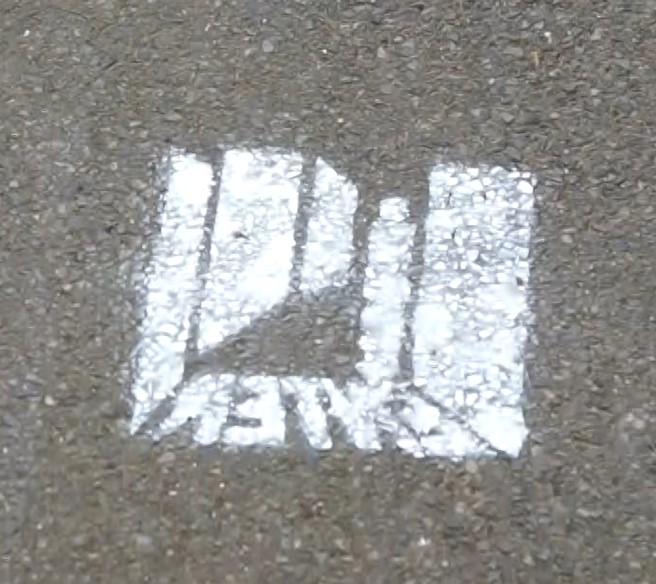
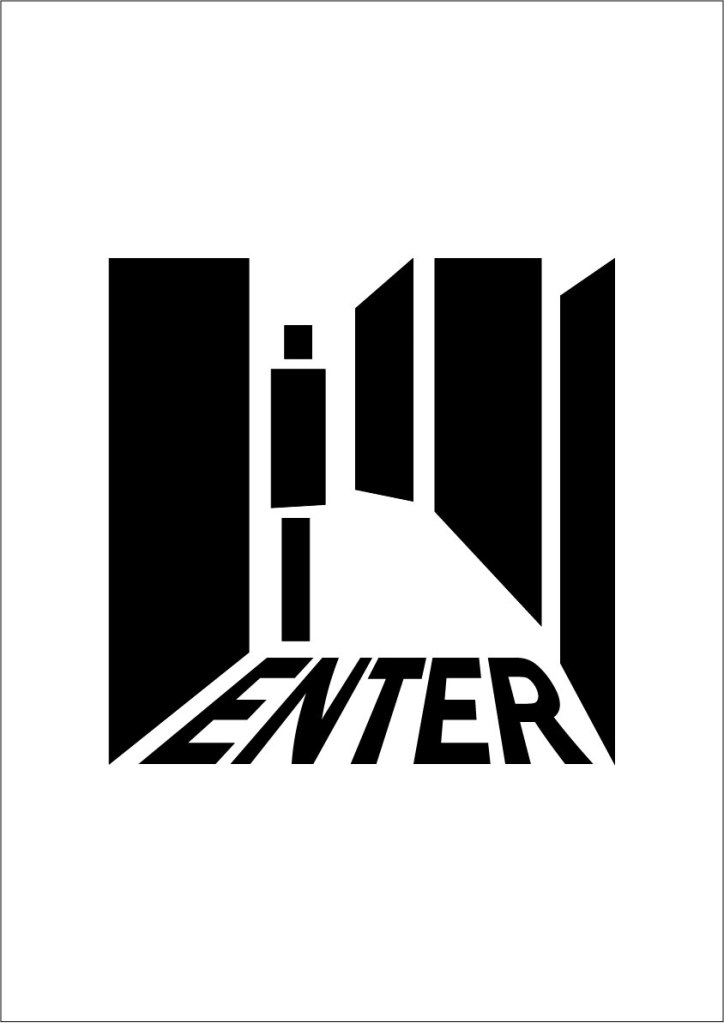
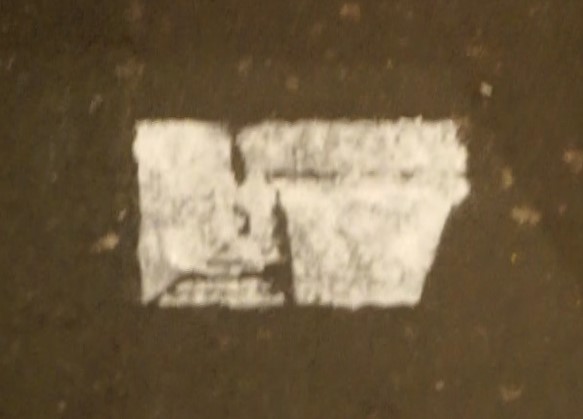
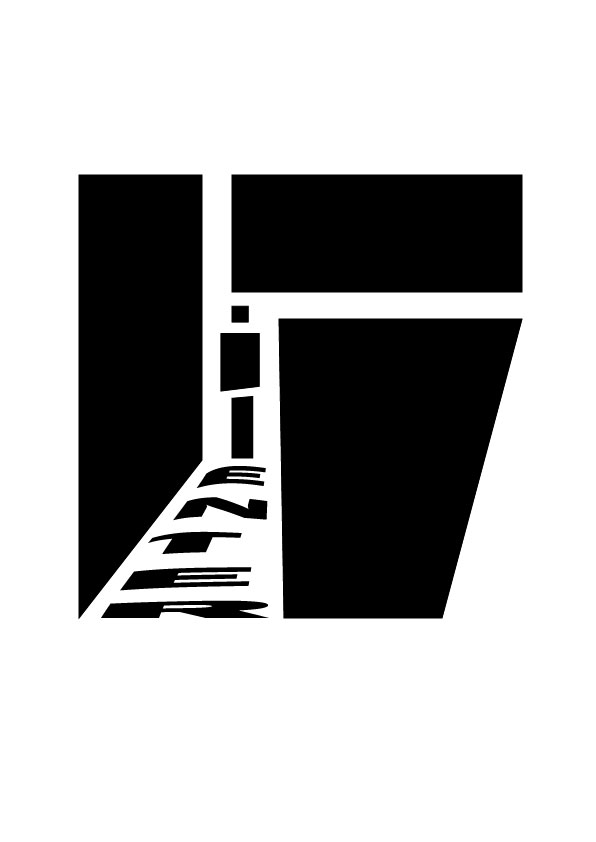
I was well aware that putting this much effort into this might give the impression that I was putting the VR aspect of the exhibition aside (which was the whole point of the brief), but it couldn’t be further from the truth. I did my best to research as much as I could on how to map the alleyway and all the steps I would need to take, but of course it was a leap of faith because I didn’t even have the pictures up yet and all could fall apart very easily.
PICTURE DAY
on the 30th i got everything and went with a couple of friends to set the exhibition up. It was a very sunny day and thus everyone was out enjoying the nice weather, even at night. We left at 10 and found hundreads of people partying and drinking, I should have walked back and left it for the next day, but I was impatient and decided to go through with it. I had set three artworks up (halfway through this process one of the people that was helping me had a pannic attack and had to leave) when the one person that lives at that alleyway told us to leave, and so we did. I felt absolutely crushed and thought that there was no way of fixing this. I decided to go the next day later in the night and try again
It was a success, the streets were empty and we went as fast as we could without compromising on the quality. I started shooting but because of the low lighting i decided to go the day after in the morning to map the alleyway. This is how it looks like:
TRANSLATION TO VR
I did a test in meshroom with the first artwork and it went perfectly, but I realized that i didnt take pictures of the floor so i grabbed a bus and did that.
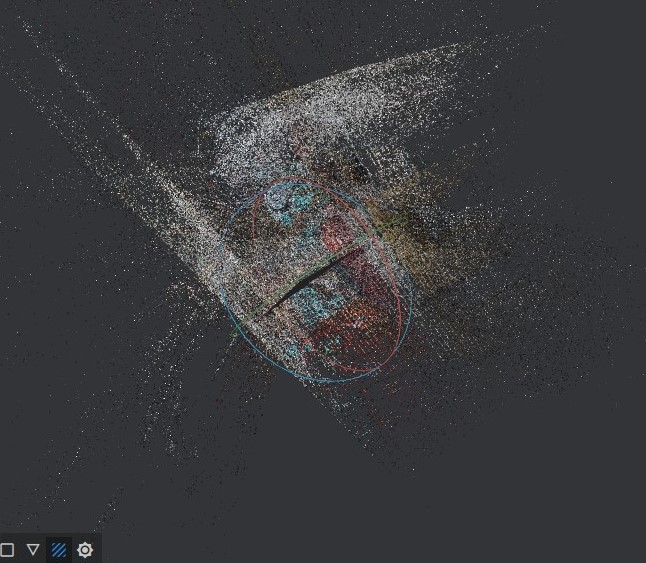
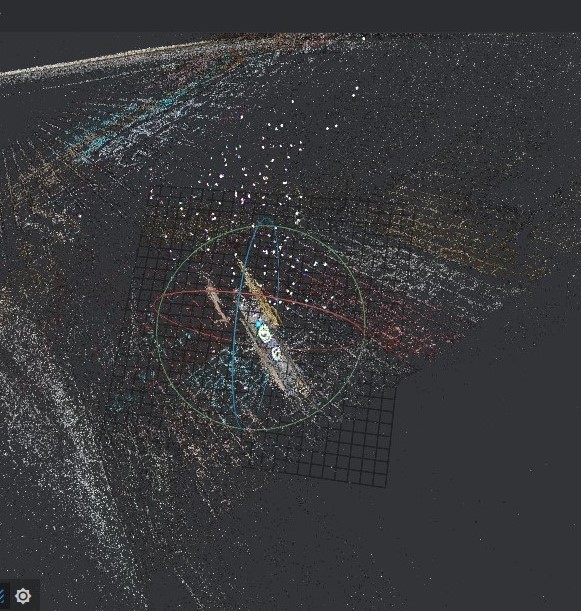
Then I tried to export all 738 pictures at once but it ended up not working out as you can see
So i decided to do it step by step and render smaller areas and then put the whole thing together in mozilla hubs.
I run into several problems such as each mesh being too large (700MB in average), the textures occupying too much space, textures not showing up in mozilla hubs etc. I cannot count the number of times I thought that the problem I faced had no solution, but thanks to forums, youtube videos and the help of Xavi everything ended up working out. These are some images of the process:
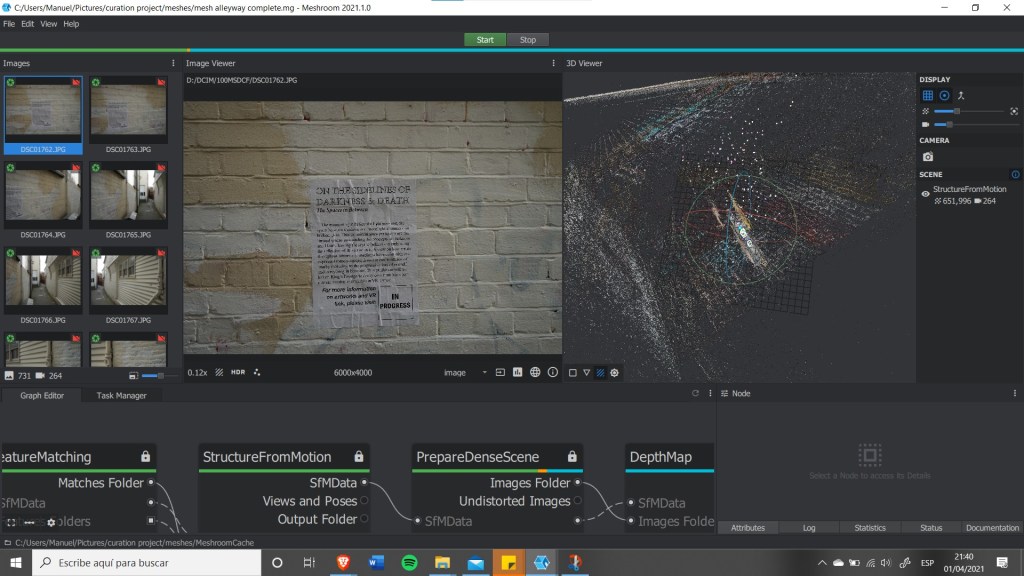
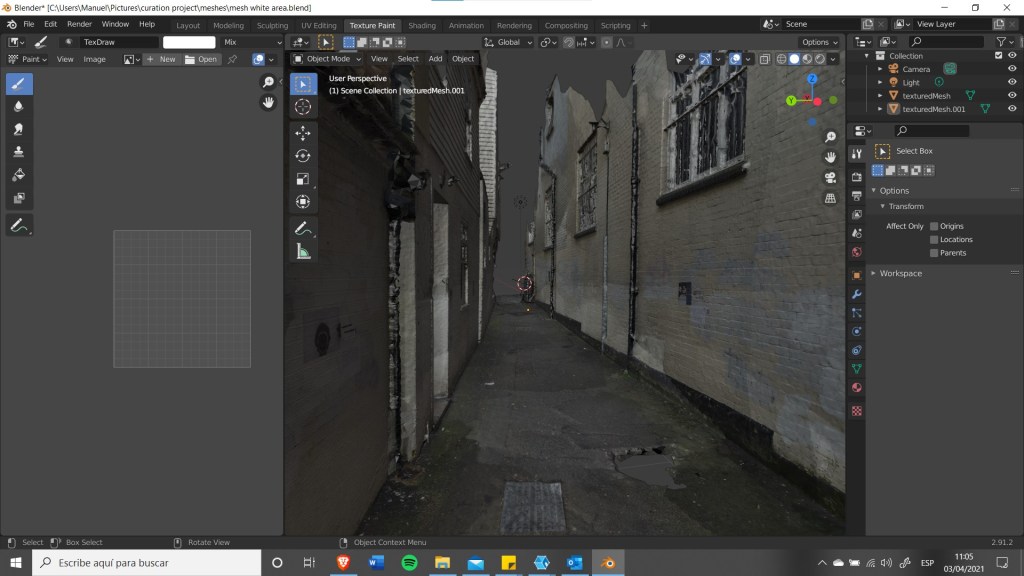
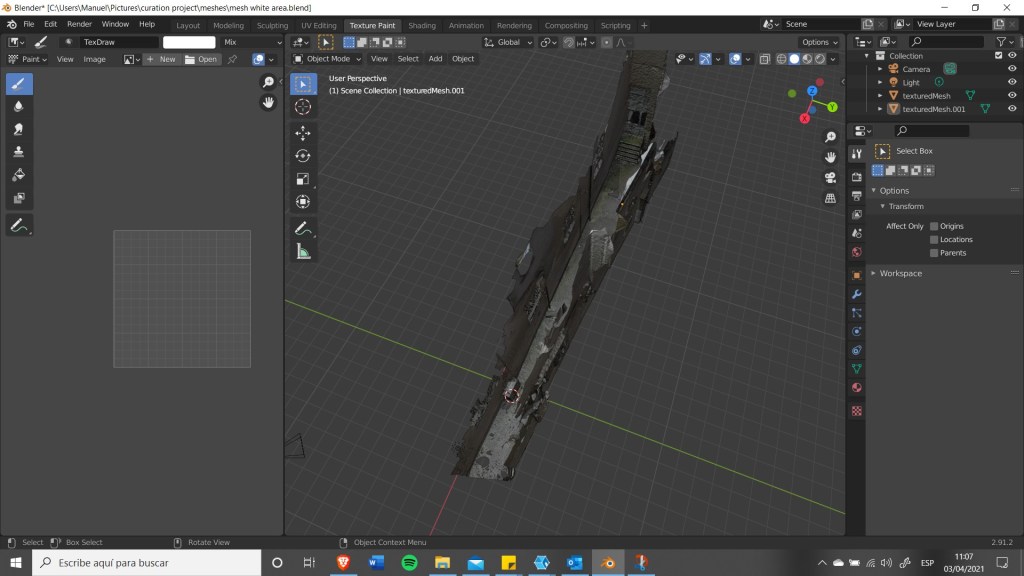
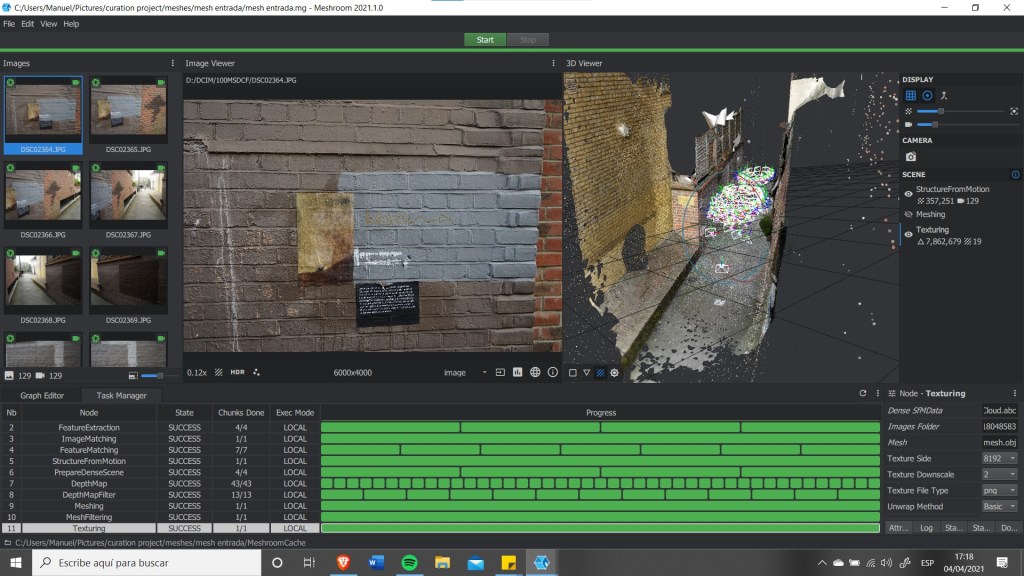
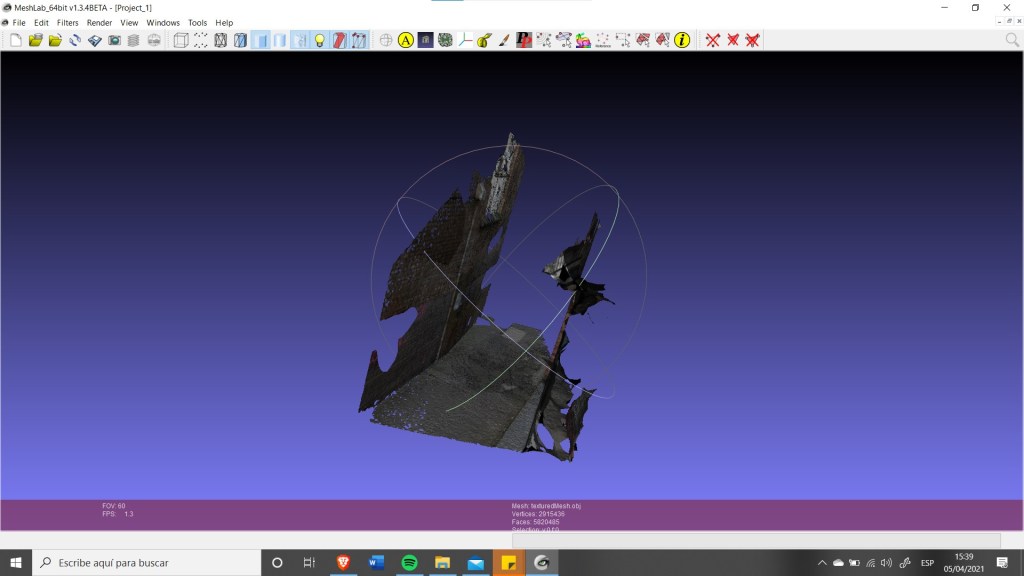
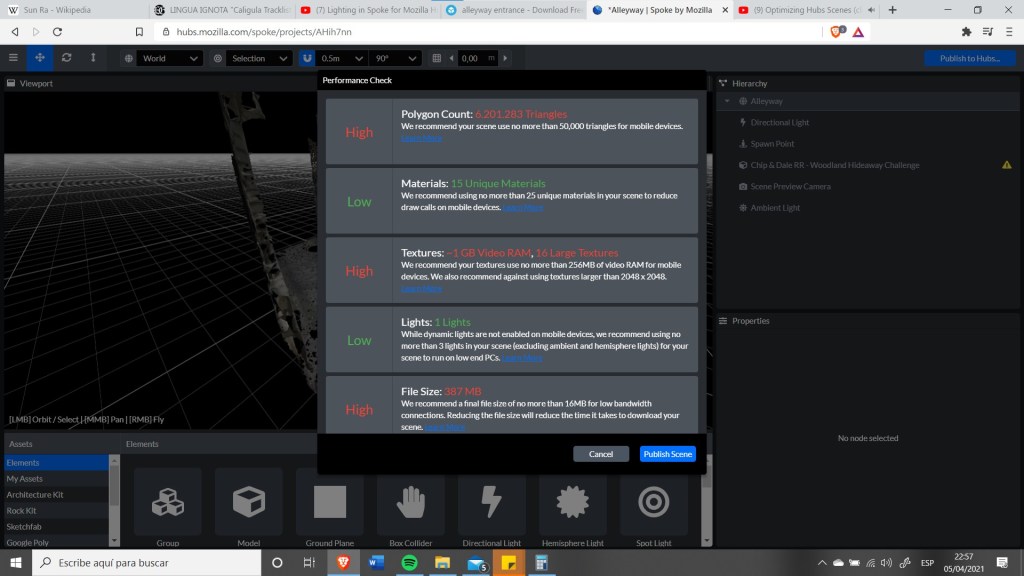
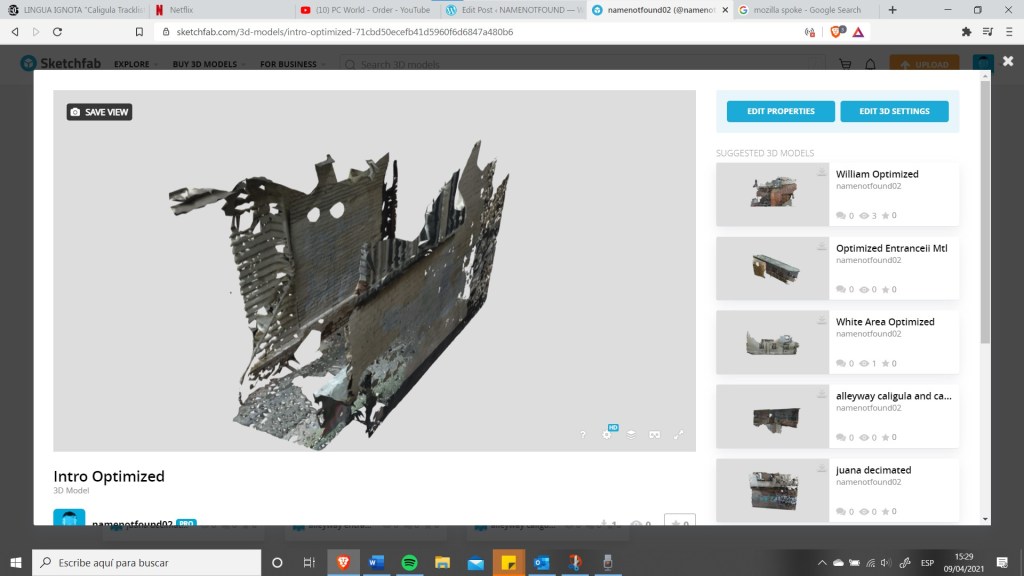
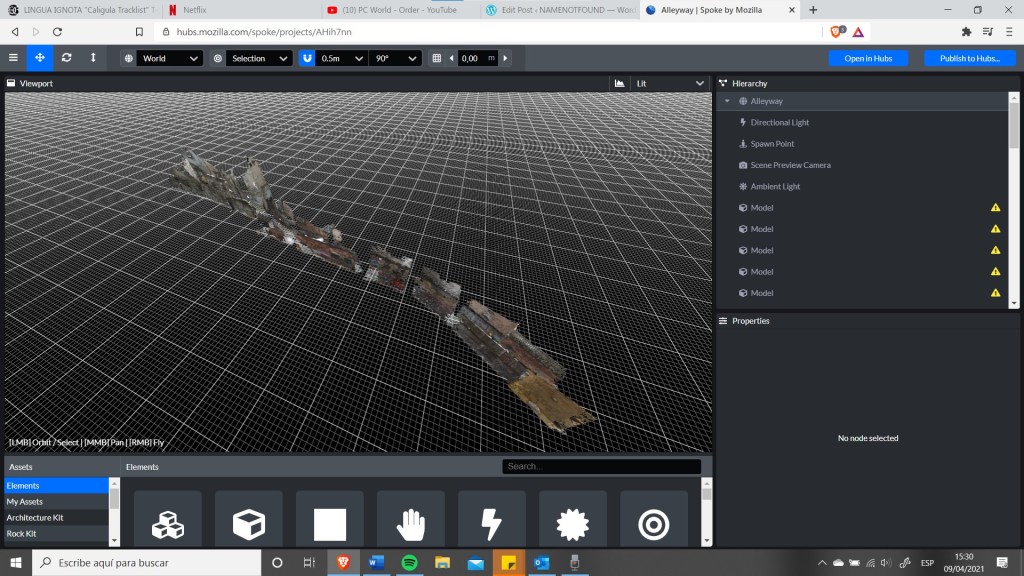
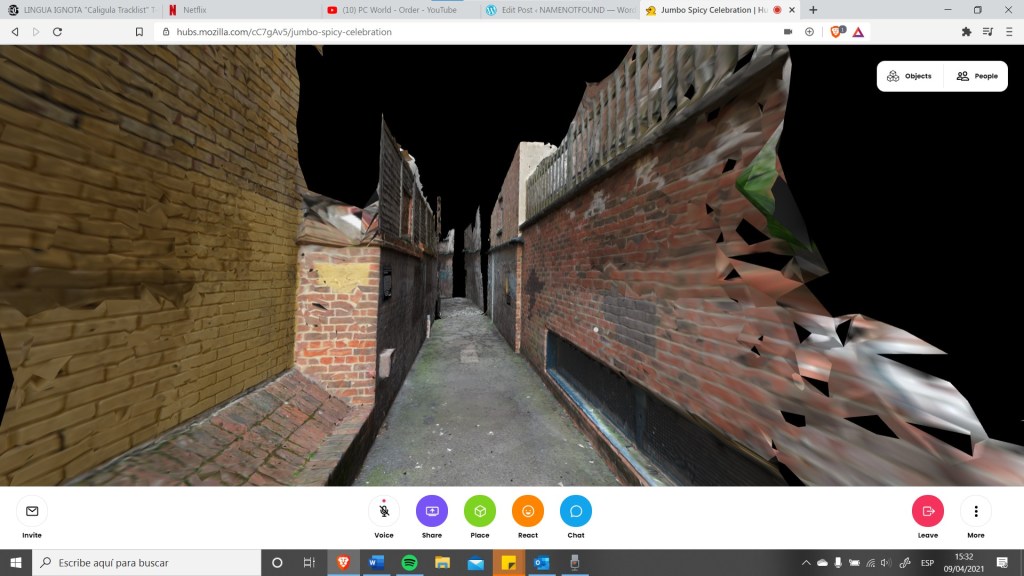
After trial and error, this is the process I followed for each mesh (I ended up using 6 meshes)
- Take pictures irl following 5 different orbits
- Compute the images in Meshroom
- Clean up the mesh in Meshlab
- Decimate the vertices in blender (using a 0.014 ratio)
- Reduce the dimensions of the textures to 1000 x 1000 in Photoshop)
- Import the optimized textures and mesh on Sketchfab
- Upload the sketchfab models into Mozilla Spoke
- Putting the models in order
- Importing images and videos to the scene in Spoke to make the viewing experience better.
- Publishing it to Hubs!
This is the link to the room in Hubs:
It’s fairly large so it takes a while to load but it can be viewed on most computers and smartphones. These are some stills of how it looks like:
WALKTHROUGH
I made a quick overview of what the exhibition is all about and the themes it deals with. I uploaded it on Vimeo:
IG POST
CONCLUSION
This is by far the most ambitious project I have made up to date, I had to learn how to use four new programmes and deal with very advanced processes constantly; having to persevere constantly in the hopes that all would work out.
I’ve learnt that I need to have a functional plan B, If I had gotten caught or someone had decided to take the posters down, everything would have crumbled and the end result would have been far worse. I decided to take the risk and it ended up working out, but next time it might not. This cannot happen again.
There are also some small details that I would have changed going back, like putting up the exhibition way sooner so I had more time to set the VR version or making the stencils bigger to avoid bleeding. Also I would have liked to put more effort in the promotional piece, like making a poster instead of an instagram post; but I had invested so much time in this already that I physically had no more left to throw in that part of the project. I’m happy with it nontheless.
With that said, I’m extremely happy about the result, I had a crazy idea and managed to pull it off just like I intented; if not way better. The feedback I have gotten from peers and teachers has been very positive and I still can’t believe that all has worked out. I’m extrermely proud to have this project as a closer for this year and I can’t wait to see what new challenges I can find in the next. Thanks for reading.
 NAMENOTFOUND//
2 thoughts on “CURATION BRIEF”